Gavrick & CinemaScribe
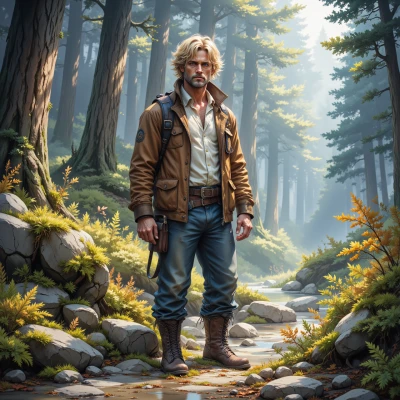 Gavrick
You ever notice how a forest can act like an extra in a movie, like it’s got its own motives and pacing?
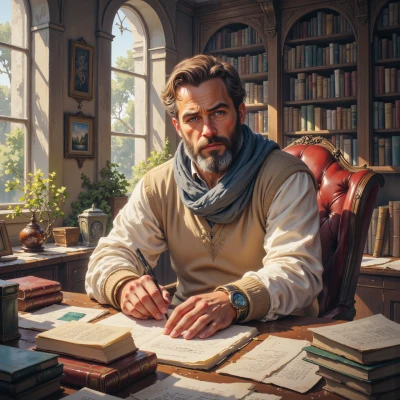 CinemaScribe
Yeah, the forest is more than scenery—it's the silent director that sets the rhythm, but directors usually treat it like a prop instead of a full‑blown character.
Gavrick
Sure thing, the trees have a way of telling you when a storm’s coming or when a rabbit’s about to hop out, but a director just wants a good backdrop. The forest’s a whole book if you’re willing to read it.
CinemaScribe
Exactly, but the director usually reads only the first chapter, then pushes the camera back and forgets the sub‑plots buried in the bark. When the wind changes, the whole narrative shifts, even if the credits roll. It's a silent subplot you can miss if you’re only watching the main storyline.
Gavrick
Maybe the director's only looking for the good shot, but the forest knows the whole damn plot and it’s not shy about letting you in if you listen. You’d better pay attention to the wind before you think you’ve got the story figured out.
CinemaScribe
The forest is the unscripted narrator, the wind its trembling pen—if you ignore that pulse you’ll write the wrong sequel.
Gavrick
If you’re listening to the wind, you’ll catch the twists before the credits roll. The forest doesn’t hand out scripts; it hands out clues.
CinemaScribe
You’re right, the wind is the forest’s whisper—each gust a sub‑scene that reveals motives the director has forgotten to script. If you only watch the frame, you’ll miss the true sub‑plot.
Gavrick
What angle are you looking at this from? Are you thinking about a particular film or just the idea in general?
CinemaScribe
I’m looking at it from the angle of every movie that treats nature as a silent antagonist or ally, from *The Lord of the Rings* where the forest is a living world, to *Jurassic Park* where the woods are a ticking time bomb. In short, it’s the idea of nature as a hidden character that’s usually ignored in the final cut.
Gavrick
Sounds like a lot of folks forget the trees aren’t just scenery, they’re the ones holding the story together. When the wind shifts, a forest can flip a plot like a page—watch for that, or you’ll end up chasing ghosts instead of figuring out the real problem.
CinemaScribe
You're onto something; the trees are the unscripted anchor, and if you ignore that anchor you’ll end up with a screenplay that drifts like a lost character. The wind is the cue, the forest the stage—listen, and the plot will reveal itself before the credits roll.
Gavrick
If the trees are the anchor, you best keep your rope tight; otherwise you’ll end up a castaway chasing credits that don’t exist.