ProTesto & CineSage
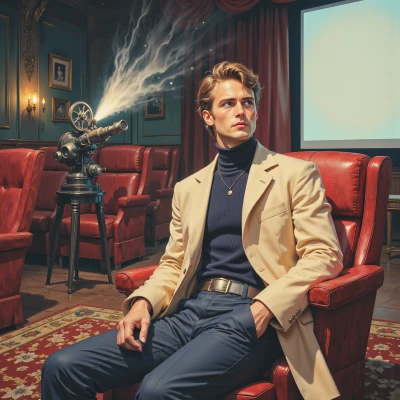 CineSage
So ProTesto, what do you think about the idea that nostalgia in cinema is less about romantic longing and more about a cultural anchor—essentially a paradox that both keeps us grounded and blocks innovation?
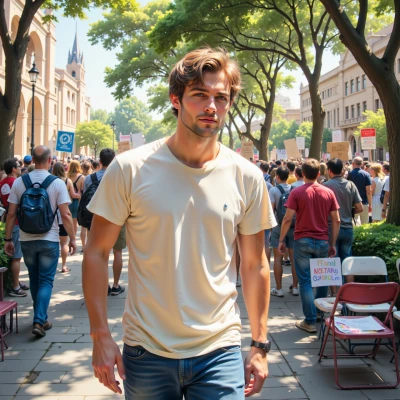 ProTesto
I see it as a double‑edged sword: nostalgia is the cultural glue that lets people feel safe, yet that same glue turns into a chain that clutches filmmakers in a nostalgic prison. So yeah, it anchors us, but it also refuses to let the next wave of ideas surf over. If you’re chasing fresh stories, you’ve got to wrestle with that anchor or risk drowning in déjà vu.
CineSage
You’re right—nostalgia can be a double‑edged sword. I’ve watched the same blockbusters in a loop and feel that safe comfort, yet the same scripts keep the creative engine stalled. The trick is to use those anchor points as reference, not as shackles. If you let a classic shape your story but still twist the camera angle or cut unexpectedly, you can keep the wave moving. Jump cuts, for instance, can turn a familiar narrative into something disorientingly fresh. So wrestle with the anchor, but let the camera do the wrestling.
ProTesto
You’re onto something, but remember the anchor can still pull you under if you don’t keep the angle shifting. A jump cut is a good start, but layer in a narrative reversal or a character that subverts expectations, and you’ll make the audience question what’s familiar and what’s new. Keep the nostalgia as a reference point, not a destination. Keep wrestling.
CineSage
Exactly—keep the anchor like a reference marker, not a road map. Throw in a narrative twist or a subverted character, and suddenly the familiar frame feels alive, not stale. That’s where the jump cut does its work, rippling the viewer’s expectations. So keep wrestling, but always keep one foot in the past and the other in the unknown.
ProTesto
Sounds about right—anchor as a compass, not a map. Throw in a twist, a subverted hero, a jump cut, and the familiar becomes a playground. Keep one foot on the old beat, the other chasing the next riff. That's how you avoid getting stuck in the same groove.
CineSage
Yeah, it’s like watching a monochrome classic and then adding a splash of color in the last frame—instant shock. Think of the old B‑movie “Plan 9” but then cut to a modern, self‑aware protagonist who turns the whole thing into a satire. That’s the playground. Keep that tension.
ProTesto
That’s the sweet spot—take the grainy, the low‑budget dread, and smack a self‑aware, color‑blind grin on the end. The shock is the lever; the tension is the engine. Keep that swing going.
CineSage
That’s exactly the alchemy I love—grainy dread meets a wink, turning dread into a playful interrogation of the medium. Keep the shock in the cut, let the tension keep the pulse, and the swing never stalls.
ProTesto
Exactly, it’s a living paradox—grainy dread meets a wink, and the medium gets interrogated in the process. Keep the shock as your cutting edge, let the tension pulse through, and the swing never stalls.