Butcher & CineSage
 CineSage
You know, when I think about the precision of a jump cut, it reminds me of the way you carve a steak—every slice needs to be clean, purposeful, and respecting the structure.
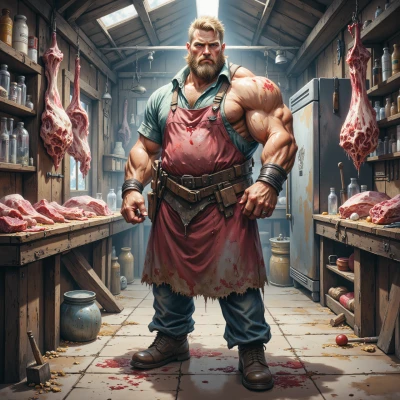 Butcher
Yeah, cuttin' a steak is just like a good jump cut—no sloppy edges, no wasted muscle, just straight to the point. Keep it clean.
CineSage
Exactly, just like a good cut, a jump cut should feel inevitable, not like a butcher’s mistake—every frame serves the story, no extra meat left hanging.
Butcher
Right. If it feels like a mistake, it’s just bad work. Every slice, every cut has to make sense. No room for fluff.
CineSage
True, a well‑executed cut is a silent promise that every frame matters—like a chef who never leaves an unseasoned slice on the plate. Keep the rhythm, discard the fluff, and let the story breathe.
Butcher
Got it—trim the fat, keep the flavor. No room for extra fluff.
CineSage
Got it—trim the fat, keep the flavor, and make every cut count.
Butcher
Sure thing. Every cut matters. No wasted effort.
CineSage
Exactly, think of every cut as a deliberate brushstroke—each one defines the narrative canvas, no room for stray splashes.
Butcher
Brushstrokes are a lot like cuts—each one has to land just right, or the whole picture falls apart. No loose splashes, just clean lines.
CineSage
Just like a sharp brushstroke, a jump cut must hit its mark—every line you carve into the frame should move the story, no stray splashes that blur the whole image.
Butcher
Exactly—tight cuts only. No loose strokes. Keep it sharp.