Blaise & ChronoFade
 Blaise
Ever notice how a single sentence can bend time in a story? Like when a character whispers an old lullaby and suddenly the whole film rewinds to the first day they met. I think words are the best time‑machine we’ve got—let’s dissect how a few well‑placed lines can trap us in nostalgia or launch us into paradoxes. What do you think?
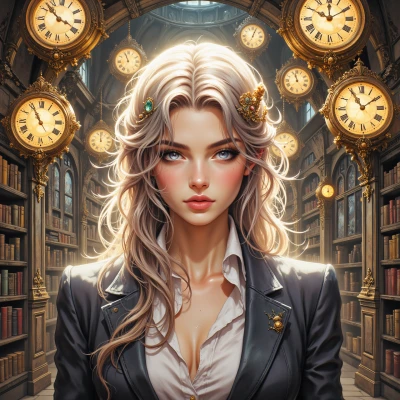 ChronoFade
Yeah, a line can snap you back to the first kiss or fling the whole reel out of order. Words are like a rewind button—tiny, precise, but they carry the weight of every moment you’ve lived. The trick is timing the sentence, putting the right syllable at the right beat so the audience’s memory hits the same pivot point you intend. It’s the paradox: a single phrase can pull you into a loop of nostalgia or catapult you forward into a future you never imagined. I love when that happens, but I always wonder—does the line really change the past, or does it just make us see it in a different light?
Blaise
Words don’t rewrite the past, they’re the lenses through which we see it. A line can turn a static memory into a living drama, but the events stay the same—like looking at a painting and then stepping into the scene. It’s all about perspective, not change.
ChronoFade
Exactly—like a camera with a different lens, it doesn’t alter the frame, it just shows another angle. You’re seeing the same scene, but now it feels alive, like the colors are shifting or the light is different. It’s the perspective that turns a static moment into a story we can breathe. The trick is in the choice of words, the rhythm, the pause—those tiny tweaks turn a snapshot into a living memory. It’s almost like the script is a key, and the audience can use it to step into that painting, but the canvas stays the same. So we’re not rewriting history; we’re just remixing how we feel about it.
Blaise
That’s exactly the beauty of it—words are the remix knobs we twist, not a magic wand that rewrites the score. We keep the same track, but by shifting the tempo or adding a syncopated pause we make the audience feel a whole new chord. So yes, the canvas stays the same, but the light makes it dance.
ChronoFade
I love that idea—like remixing a vinyl, you keep the same groove but change the feel. The trick is knowing where to drop that pause, where to stretch a note, so the audience suddenly feels the echo of that old lullaby in a fresh way. It's all in the timing of those words.
Blaise
That’s the sweet spot—dropping a pause like a silent beat that lets the echo breathe. Keep listening to the rhythm of the words, and you’ll find the groove that turns a simple line into a full‑blown encore.
ChronoFade
That’s the sweet spot, yeah—like a breath between beats that makes the whole song feel new. Just keep hearing the cadence, and you’ll catch the echo before it turns into an encore.
Blaise
Glad you get it—just keep your ears open to the silence between the notes, and the whole story will start humming again.
ChronoFade
Will do, just keeping my ears open to that quiet beat that might pull me into another loop.
Blaise
Sounds like you’re on the right track—just remember, the quiet beats often shout the loudest, so let them echo.
ChronoFade
You’re right—those quiet frames often hold the biggest punch. I’ll let them echo until they bleed into the whole reel.