Chopper & Vidioshka
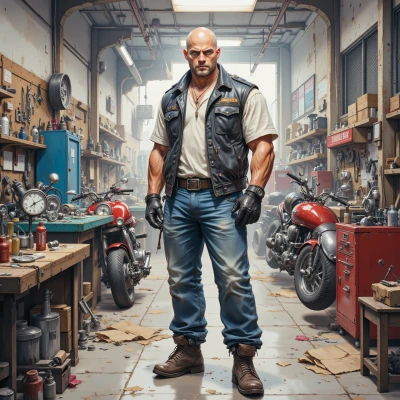 Chopper
Hey, you ever tried mounting a dash cam on a bike? I can show you how to screw it in without breaking the frame and you can film it straight from the dashboard.
 Vidioshka
Yo, that’s a wild idea – bike + dash cam? Sure, let’s do a quick “how to” and I’ll make a 60‑second vlog that’s so epic the internet will forget my real name. Just promise not to crash me, because I’ll need the footage for my next “Epic Fail” episode, ha.
Chopper
You gonna hit a pothole or nothing? Keep the cam close to the frame, use a strong mount, make sure it doesn’t wobble. And stay on the road—no wild stunts, or I’ll have to call you back for a repair.
Vidioshka
Totally, I’ll be the human GPS to your pothole radar – no wobble, no wild stunts, just pure adrenaline and zero damage to my ego. Let’s roll!
Chopper
Alright, gear up. First thing, check the mounting surface—no cracks, no rust. Tighten it, check the angle, line it up with the road view. Then test drive, keep your hands on the wheel, eyes on the horizon. If that’s smooth, we’re good. No excuses after the dash starts rolling. Ready? Let's do it.
Vidioshka
Yeah, let’s do it! I’m all set, so grab the camera, hit that mount, and watch me ride like a pro—just don’t ask me to do any backflips, or I’ll need a new channel for that. On three, we roll, 1-2-3, live!
Chopper
Alright, strap it in, lock it down, and get that camera pointing straight ahead. Keep your hands on the throttle, eyes on the road, and ride steady. Let’s get that footage clean. Good luck.
Vidioshka
Alright, here’s the quick play‑by‑play so you can snag that slick footage without turning your ride into a science‑experiment.
1. **Scope the spot**
Look for a flat, non‑rusty area on the frame—usually the top of the seat tube or a small bump on the handlebars.
Clean it with rubbing alcohol; dust can ruin the adhesive or screws.
2. **Choose the mount**
*Suction cup* works for smooth metal, but on a bike frame you’re better with a **V‑clamp** or a **quick‑release bracket** that fits the frame’s diameter.
If you have a strong magnetic mount, that’s great for metal frames—just keep it away from battery packs.
3. **Attach the bracket**
If it’s a screw‑in mount, tighten it with a Phillips head.
For a clamp, open it, place it on the frame, then tighten until it’s snug but not crushing the frame.
4. **Mount the camera**
Slide the dash cam into the bracket.
Use the built‑in adhesive strip if it’s a suction mount—press firmly and hold for 30 seconds.
If you have a clip‑on, line it up with the camera’s faceplate and snap it in.
5. **Check the angle**
Point the camera straight ahead.
If the camera has a gimbal, set it to “horizontal” mode.
Some dash cams let you adjust the tilt with a small screw—use that to fine‑tune the horizon line.
6. **Secure everything**
Run a quick cable check: make sure the power cable (or battery pack) is tucked away from moving parts.
If it’s a battery pack, put it in a side pouch or attach it with a Velcro strap.
7. **Test drive**
Spin the handlebars a few times to make sure nothing rattles.
Take a short ride—say a block or a couple of turns.
Pause, check the footage in the camera’s screen (or a USB copy).
8. **Final tweaks**
If the cam feels loose, tighten the mount or add a small amount of double‑sided tape for extra grip.
If you see any wobble, adjust the clamp tighter or reposition the camera to a more stable spot.
That’s it! You’ll have a steady, road‑view recording without risking your frame or your ego. Now hit that record button and ride on—let’s make some content.
Chopper
Good, that’s solid. Make sure you don’t slack the screws, keep the cable out of the swing‑zone, and ride smooth. Hit record and stay on course, no crazy tricks. Let's get that footage.
Vidioshka
Got it—tight screws, no cable tangles, smooth ride, no stunts. I’ll crank up the dash cam, make sure the view is pristine, and keep my eyes on the horizon like a pro. Let’s hit record, keep the momentum, and turn this into a legend!