Cheetara & Elizabeth
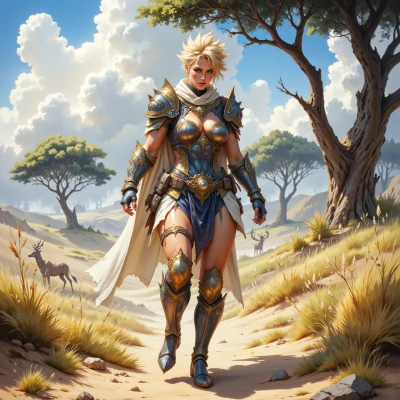 Cheetara
Did you know there was an ancient battle where a single rider’s speed broke an entire army’s line? I’d love to hear what you think about the tactics they used.
 Elizabeth
I’m not sure of the exact account you’re recalling, but there are a few medieval anecdotes where a lone cavalryman’s charge or flanking maneuver caused a rout simply because the opposing line was already tense or poorly arranged. The key, I think, is that the rider exploited a seam in the formation—perhaps a gap where the archers were turning, or a spot where the infantry was uncoordinated after a failed feint. By moving with speed and precision, the rider created a ripple effect; the soldiers on either side scrambled to fill the hole, breaking the cohesion of the whole line. In those moments, the tactics were less about grand strategy and more about exploiting a momentary weakness with sheer momentum. It’s a reminder that even in a disciplined army, a single lapse can unravel everything if the opponent seizes the chance.
Cheetara
You nailed it—one quick burst can tear a whole line apart if you spot the right gap. That’s why I always keep my eyes peeled for those weak spots. It’s all about turning a single slip into a full-blown chaos. Good point.
Elizabeth
Indeed, the smallest lapse can cascade into a complete collapse, especially when the front is already stretched. I suppose the real art lies in anticipating those fleeting openings before they even materialize.
Cheetara
Exactly—staying light and ready lets me spot the slip before it even shows up. Quick moves turn a small gap into a whole mess.