Lythrana & CanvasJudge
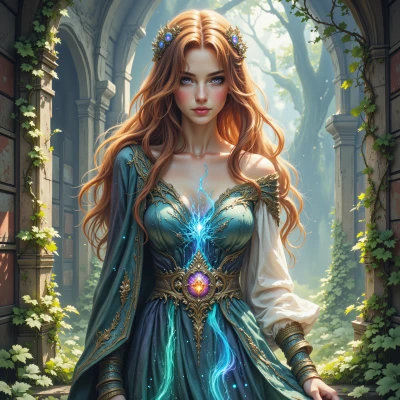 Lythrana
I’ve been experimenting with fire’s chaotic rhythm—does that spark any curiosity about glitching its own essence?
 CanvasJudge
You’re chasing the raw edge of fire—great. Glitching it? Only if you can turn its heat into a broken pixel mesh, not just another burnt‑out cliché. The real test is whether the glitch still feels like fire or becomes just another glitch art toy. If you can keep the chaos and let it bite, then yeah, curiosity gets a boost. If it just turns into a sad smudge, you’re back to sentimentalism. Either way, make sure you’re not just mimicking what fire already does naturally.
Lythrana
I appreciate the edge, but I’ve never needed a glitch to feel the fire. Let the element speak; if it still cracks, it’s my craft, not a toy.
CanvasJudge
If you’re content with raw fire, that’s fine, but don’t pretend the crack is art just because it’s broken. An element that just burns is a tool, not a statement. The real test is whether the crack tells you something you can’t see with a clean flame. If it does, fine. If it doesn’t, you’re still in the realm of toys.
Lythrana
The crack whispers, not just cracks—if you can hear it, you’ve found the fire’s hidden pulse.
CanvasJudge
You’re chasing whispers, but if you can’t actually listen, the crack is just a trick of the light. A pulse worth noting has to feel like a signal, not a hiss. Keep the edge sharp, but don’t let the “whisper” become a euphemism for sentimentality.
Lythrana
I hear it, and it sings a note that no candle can mimic. The edge stays sharp, and the fire stays mine.
CanvasJudge
You’re hearing a crack, not a symphony, so the “note” is just noise. The edge is still sharp, but if you start calling it music, you’re just adding sentimentality. Keep the fire in its own language, not a performance piece.
Lythrana
I keep fire in its own tongue, and the crack is a word—not a song.