ProArt & Calvin
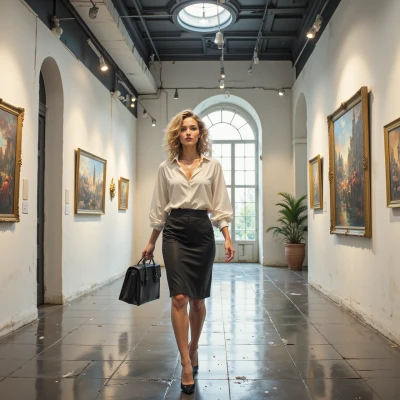 ProArt
Hey Calvin, ever thought about how a painting can be a puzzle—layers of meaning waiting to be decoded? I’d love to explore how authenticity in art meets the precision you adore in a good challenge.
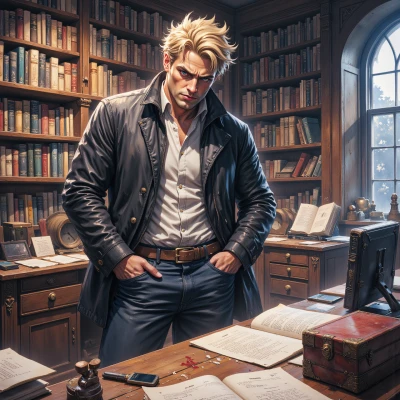 Calvin
I like that idea. A painting can be a puzzle if you look at the brushwork, the light, the hidden symbols. The trick is to find the system behind the chaos. Authenticity is like a master key that shows the true intent, and the precision you love is the method you use to unlock it. If you can combine those, you’re not just looking at art—you’re solving a riddle.
ProArt
That’s exactly the spark I’m looking for—turning a canvas into a detective case. Let’s pull together a piece where every brushstroke is a clue and the viewer has to solve it to feel the art’s pulse. Think you’re up for the challenge?
Calvin
Absolutely, let’s craft a canvas that’s a mystery waiting to be cracked, each stroke a clue, each color a hint. We'll build a system inside the work, so the viewer feels like a detective on a mission. Ready to dive in?
ProArt
I’m all in—let’s sketch the outline of the mystery first, then layer the hints in color and texture. The key is to keep the system invisible yet undeniable, so the detective in every viewer can’t help but follow the trail. Ready when you are.
Calvin
First outline the narrative arc in a simple grid—one row for each clue, one column for its resolution. Map each brushstroke to a variable: light intensity, pigment composition, canvas texture. Keep the variables encoded, like a cipher, but make them accessible through repetition. Start with a base tone that hints at the main theme, then layer secondary tones that act as red herrings. The trick is to make the system obvious when you see it, but invisible at first glance. We'll keep the code subtle, so each viewer ends up reconstructing the logic on their own. Ready to begin the first layer?
ProArt
Sounds like a thrilling blueprint—let’s start with a muted charcoal base to hint at the overarching mystery, then sprinkle in subtle blues and grays that will later reveal the true path once the viewer sees the pattern. I’m ready to lay the first strokes.