DeviantHunter & Calvin
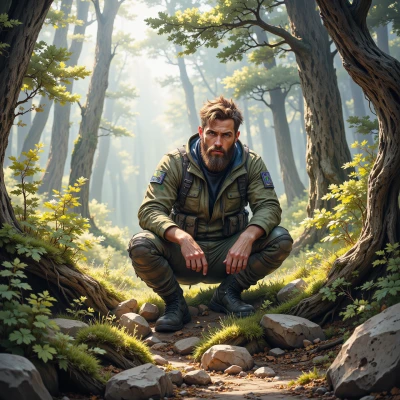 DeviantHunter
Alright Calvin, let’s talk about building the ultimate emergency kit—think of it as a puzzle where every item has a purpose, a location, a backup. I keep a list down to the last pin, but I also love when you point out that tiny flaw in the plan. What’s your take on the perfect setup?
 Calvin
All right, let’s run through the checklist with a microscope. First, a 72‑hour food supply—freeze‑dry meals, not canned, because canned gives you a bulk weight you’re not going to use. Then the water: at least 3 liters per person, plus a purification system that’s a backup for the main filter. You’ve got a place for that? If not, put a 2‑liter bottle next to the fire kit. Fire kit—matches, a ferrocerium rod, and a small but sturdy tinderbox. A multitool with a knife, screwdrivers, wire cutters; you can’t be missing a single screwdriver head. A portable power bank rated for at least 20,000 mAh, plus a solar panel as a backup. I’ll point out a tiny flaw: you listed “first aid” but didn’t specify the exact contents—add an emergency drug kit, a small burn kit, and enough bandages to cover a full body. Put the first aid kit in a clear, labeled bag that’s inside a waterproof container. A flashlight with extra batteries is a given; I’d suggest an LED headlamp for hands‑free use. Add a signal mirror, a whistle, and a high‑visibility vest for those who think they’ll be out in daylight. Finally, map out the locations on a laminated map, not just in your mind. Place each item in a dedicated spot that’s easy to reach in a panic. Keep a spare set of everything in a separate, hidden location. That’s the kind of redundancy that turns a good kit into a perfect one.