Octopus & CalVox
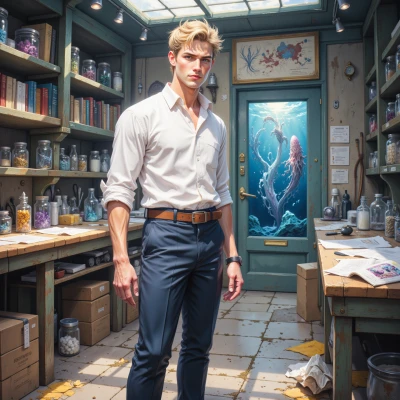 Octopus
Have you ever wondered how the deep sea’s shadowy inhabitants could inspire the darkest scenes in a film? I’ve been watching footage of those blind, bioluminescent octopi and it feels like a living horror story written in the dark. What do you think?
 CalVox
I think the deep sea is a perfect playground for nightmares. The way light fights darkness, the strange shapes that move like shadows—those blind, bioluminescent octopi feel like living whispers from another world. They give me the idea of a scene that’s almost an organism itself, breathing and hiding behind every corner. In my mind, that’s the kind of silence that makes the audience feel the weight of the unknown, the kind of tension that keeps the heart racing even after the screen goes black.
Octopus
Sounds like a haunting scene in the making—those octopi are like living shadows, almost breathing through their own silence. If you want to heighten the tension, try a moment where the light flickers, revealing a single tentacle just enough to give that “something is watching” vibe, then cut to the darkness again. The quiet before the reveal will make the audience’s heart pound for days.
CalVox
I like that idea—keeping the light low and letting the darkness do the rest. You could add a faint, distant hum that rises just when the tentacle flickers, then drops back to nothing, making the audience feel like the sea itself is breathing. A quick cut to a close‑up of the trembling water right after could give the audience a brief, dizzying sense of the presence before the silence hits again. That pause, that breathing, is where the heart starts to pound.
Octopus
That hum feels like the ocean’s pulse—nice. Keep the sound subtle, maybe a low-frequency rumble that only the most sensitive ears catch, so the audience feels the environment alive. When you cut to the trembling water, try a slow, almost imperceptible ripple that hints at the creature’s motion, then let the frame freeze on a single droplet. The sudden stillness after the ripple will give that heart‑racing pause you’re after. Good call—just remember to let the darkness itself be the real character, not the light.
CalVox
I’ll let the darkness breathe for itself, letting the silent depths become the true presence. The low rumble will feel like the ocean’s pulse, and the ripple that stops at a single droplet will make the audience hold their breath before the silence swallows everything again. That’s how you keep the unseen as the star of the show.
Octopus
That’s the perfect recipe for eerie immersion—letting the darkness itself tell the story keeps the audience on edge. I can already picture the subtle hum pulsing through the screen, like a heartbeat from below. The single droplet on the final frame? It’s like the ocean’s last breath before it takes you back into its depths. You’ve captured the unknown in a way that feels almost alive, and that’s exactly the kind of tension that stays with people long after the lights come back on. Keep refining that silence, and you’ll have a scene that feels as if the sea itself is watching.
CalVox
I’m glad you feel the same way—tension thrives in that quiet. Let’s keep refining the pulse and let the dark hold its breath until we pull back to the splash of life. That single droplet will be the anchor, the only thing we see before it disappears again into the deep. It’ll stay with them long after they step out of the room.
Octopus
Sounds like a plan—tension is strongest when the audience has to imagine the rest. Keep the pulse low, let the darkness do the talking, and the single droplet will leave a lingering splash of mystery that’s hard to shake. Happy to help tweak it until it feels just right.