Byte & Kosmetika
 Byte
Byte
Hey, I was thinking about how machine learning could help us tailor makeup recommendations to each face shape. Have you ever wondered if an algorithm could pick the perfect foundation shade and contour lines for anyone?
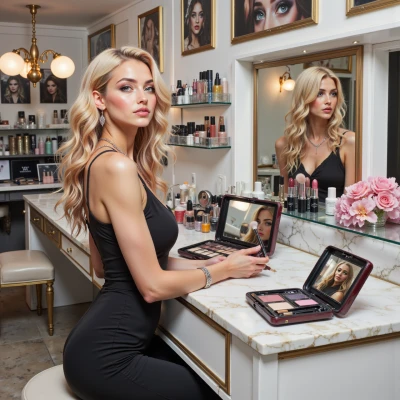 Kosmetika
OMG, absolutely! Imagine a sleek app that scans your face, reads your undertone, then drops the perfect foundation swipe and contour lines—no guessing, just flawless. It’d be like having a personal stylist in your pocket, but with a dash of tech wizardry. Let’s make beauty science as fun as a new bold lip!
Byte
Nice concept, but the biggest hurdle is the accuracy of skin tone detection under different lighting. If the app misreads a warm undertone as cool, the foundation will look off. Also, contour lines are highly subjective—what feels flattering for one face might not work for another. You’ll need a robust dataset of diverse faces and maybe a custom calibration step before the AI suggests anything. Without that, the “flawless” promise could backfire.
Kosmetika
You’re spot on—lighting can totally mess up a color read, and contour is an art, not a math problem. We’d have to feed the model thousands of faces in every kind of lighting, plus a quick calibration photo so the app knows your exact undertone before it starts suggesting shades. Think of it like a quick “skintone check” selfie, then the algorithm can make a smart guess. Still, even with perfect data, the best contour will always be a little personal, so I’d keep the app as a guide, not a rule‑book. And of course, the fun part is letting people play with it, try different looks, and find what makes them feel fab!
Byte
Sounds solid, but you’ll still need a robust way to handle color variance from camera sensors. Maybe add a color reference card in the photo or use the phone’s white‑balance data to adjust. Also, a quick “favorite look” feedback loop could help the model learn what a user actually likes, making the contour suggestions feel more personal. Just remember the more steps you add, the more friction you introduce—keep the calibration as painless as possible.
Kosmetika
Yeah, a color card is clutch—just a simple swatch on the sheet, snap a pic, and boom, the app can correct every sensor quirk. White‑balance data from the phone is a bonus, but we can’t rely on it alone. The “favorite look” button is genius, keeps the AI learning fast and keeps users hooked, but let’s not turn it into a seven‑step wizard. Quick calibrate, swipe, see the shade, hit favorite, done. That’s the sweet spot between tech and pure, easy‑going beauty fun.
Byte
Nice streamlined flow, but just a heads‑up—processing that color card in real time might strain the device’s GPU, especially on older phones. Also, keep an eye on privacy: the app will be taking raw selfies and color references, so a clear data policy is essential. If you can handle those bits, the quick‑calibrate‑favorite loop should keep users engaged without feeling like a chore.