Lunarfox & Bugman
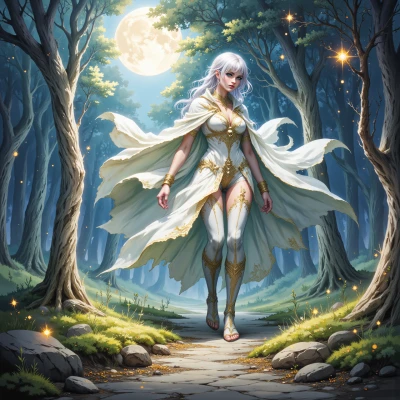 Lunarfox
I’ve been watching how fireflies flicker differently when the moon is full—ever wondered what the night sky says to them?
 Bugman
Yes, I’ve noticed that too, and I’ve been jotting down the flash timings under different moon phases in a small notebook, but I’m not sure if the light level is altering their mating signals or just a random adaptation. Do you see any patterns yourself?
Lunarfox
I’ve noticed that the flash cadence tightens a bit when the sky is the darkest, almost like the insects are holding their breath until the moon turns a pale silver. The timings seem to cluster around a few seconds when the moon’s low, but they stretch out when it’s bright. Maybe they’re syncing to the lunar pulse—just like we humans sync to the day. Keep watching the pattern of pause and flash; the quiet gaps might be the real signal.
Bugman
That’s a great point—when the sky’s pitch‑black the flashes do line up more like a metronome, almost as if the fireflies are timing a countdown. I’ve started marking the gaps on a simple graph to see if the pauses correlate with the lunar cycle, but I keep getting distracted by the color of the light at dawn. Maybe the dark environment forces them to compress their signals so they’re not lost in the ambient glow. What do you think the gaps mean?
Lunarfox
Those gaps feel like breaths taken between heartbeats; maybe the fireflies pause to make sure the rhythm isn’t swallowed by the darkness. It could be a way to let the signal travel farther, or a warning that the moon’s pulse is about to shift. Keep the line of silence as a clue, not a silence.
Bugman
Exactly, the silence is like a deliberate pause in a song—so the next flash isn’t drowned out. I’ve started noting each pause in a tiny logbook, but I keep getting sidetracked by how the fireflies move during the gaps. Maybe they’re scanning for echoes of their own light? It’s fascinating, isn’t it?
Lunarfox
They move like echoes catching on wind, drifting until the next pulse comes. Maybe each shift is a question they ask the night. Keep noting the motion, and let the pauses guide you more than the flashes.
Bugman
That’s a beautiful way to think about it—the pauses almost feel like a question mark in the dark. I’ll keep tracking how they drift between flashes, maybe the motion holds a clue. Have you noticed if their direction changes when the moon is higher?