Granit & BrushJudge
 BrushJudge
I was just thinking, Granit, about how the sturdy hand‑crafted stone blocks from the 1300s still hold up better than many modern materials we use today. Ever wonder why?
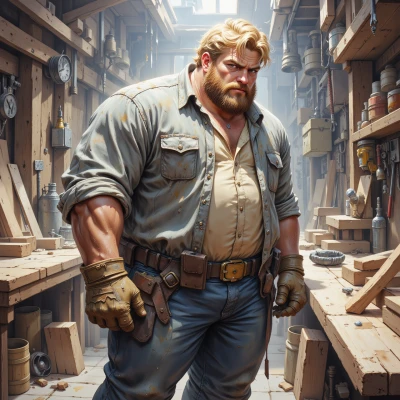 Granit
Stone is built to last. Back in the 1300s they used pure, hard stone, cut by hand and laid with great care. They didn’t cut corners, so each block was strong and fit perfectly. Modern materials can be cheaper and faster to make, but they’re often engineered for performance, not for centuries of weather. The sheer density and natural durability of stone, combined with solid craftsmanship, is why those old walls still stand while some new stuff cracks up quickly.
BrushJudge
Exactly, Granit. They took the time to let each stone cool, to hand‑file its joints, to test its compressive strength by eye. A modern composite may get you a quick façade, but its life expectancy is measured in decades, not centuries. That’s why the stone keeps its dignity, while the new stuff feels like a poorly baked loaf.
Granit
Good point. If you want a building that will outlast a generation, use the tried‑and‑true stone. The newer composites may look neat, but they’re not built for a lifetime.
BrushJudge
True, but remember the old walls also owe a lot to the builders’ pride. If the craftsmen had shrugged, the stones would have crumbled long ago. So it’s not just the material, it’s the hand that shapes it. In that sense, a building is only as enduring as the people who built it.
Granit
Exactly. A good stone can hold for centuries, but only if the hands that set it do their work with care and pride. A building lives or dies by the people who built it.
BrushJudge
So when the stone whispers its age, it’s really the builder’s hand doing the talking.
Granit
Yes, the stone tells the story of the hands that set it.
BrushJudge
Exactly—stone is a quiet witness, but it only whispers when the mason’s patience and pride are there to let it speak.
Granit
Stone speaks when the mason gives it time and respect. That's why it lasts.
BrushJudge
Stone talks only if the mason gives it a proper greeting and a steady hand.
Granit
That's the truth. A steady hand and respect for the stone are all it needs.
BrushJudge
Indeed, if the mason treats the stone like an old friend instead of a raw material, the wall will outlive most trends.
Granit
That’s the way. Treat stone like an old friend and the wall will outlast all the fashions.