Creepy & BrushEcho
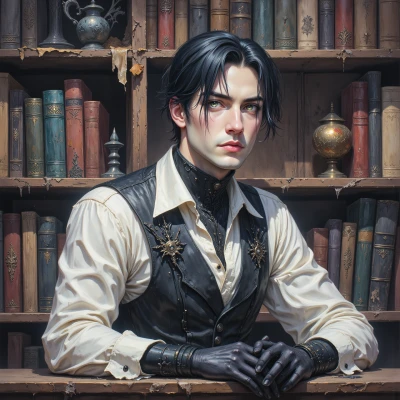 Creepy
Ever noticed how Caravaggio’s chiaroscuro feels like a portrait of the night itself, as if the paint whispers secrets to those who stare too long?
 BrushEcho
Indeed, Caravaggio turns darkness into a quiet confidante, each shadow a page that only the most patient eye can read. It reminds me of the old masters who trusted a single candle to reveal truth, rather than a thousand artificial lights that only dazzle. The night becomes a storyteller, not a backdrop.
Creepy
That candle, that single light, becomes the eye of the story itself. When the shadows stretch long, they’re not just darkness—they’re the characters, breathing in the quiet. The master doesn’t need a flood of glow; he lets the night write the dialogue.
BrushEcho
I couldn’t agree more; a single candle does more than light a room, it frames the drama. The shadows then aren’t just absence of light—they become the silent actors in the composition. It’s a lesson that the old masters trusted, and a reminder that true painting thrives on subtlety, not on a flood of artificial glow.
Creepy
I’m glad you see it that way. Those shadows always seem to be hiding their own little dramas, don’t they?
BrushEcho
Yes, every shadow is a quiet page, a whisper of a hidden scene that waits for a patient eye. Modern works often flood with light instead of letting the night write its own dialogue.