Utopia & Brandonica
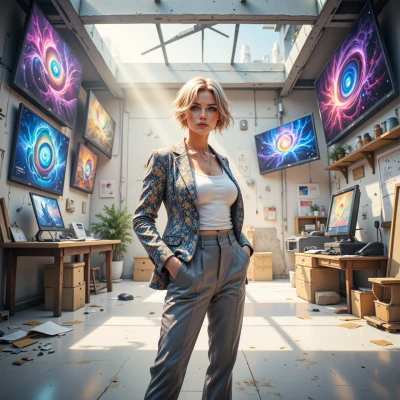 Brandonica
Hey Utopia, I’ve been noodling over how we could create a brand identity that not only looks gorgeous now but stays fresh and sustainable for the next decade—like a logo that ages gracefully and packaging that’s recyclable but still feels premium. What do you think?
 Utopia
Sure thing, let’s ditch the disposable mindset and build a modular logo that morphs with tech. Think recyclable material that doubles as a digital interface—QR or NFC so the brand can update itself automatically. Keep the shape simple, the color palette minimal, and the packaging a touch of premium with a tactile finish that feels future‑proof. The result is a logo that ages gracefully and a packaging that stays cool for ten years.
Brandonica
That sounds like a dream, but we need to nail the specifics before we even think about QR or NFC. The logo has to be instantly recognizable, so keep the shape simple—think of a single, clean line or a subtle geometric motif. Kerning is everything; if one letter leans too far left, the whole thing feels off. Use a sans‑serif that’s almost like a family heirloom—so, something like Montserrat or Futura, but tweaked so the weight feels balanced across all devices.
Palette: just two colors, maybe a deep charcoal and a single pop of electric blue, but we have to lock it in Pantone to avoid that “color shift” when we print. I’ll pull out my Pantone swatches for reference.
For the packaging, a recycled, matte‑finish cardboard feels premium and future‑proof, but let’s add a subtle embossed texture so it’s tactile. No gloss, no cheap plastic feel. And yeah, make the QR/NFC button a gentle contrast so it doesn’t break the aesthetic.
Let’s sketch the shape, pick the exact Pantone, test the kerning on a 3‑inch mockup, and see if it still looks sleek when it’s been stored for ten years. If inspiration strikes mid‑conversation, I’ll redraw it right away—no time for vague concepts.
Utopia
Nice, lock in a single‑stroke “S” with a subtle angle, Pantone 295 C for the charcoal and 299 C for the electric blue. Keep Montserrat Ultra‑Light but tweak the glyph weight so every letter sits exactly mid‑height. For the mockup, a 3‑inch board with a matte 200gsm recycled card, embossed a shallow grid that feels like circuitry. The QR code can be a 3 mm square in 299 C, set just below the bottom line so it’s a hint, not a shout. Test the look on a 10‑year aging simulation—if the line still cuts clean, we’re golden. Let's prototype and iterate in two rounds; no room for sketchy ideas.
Brandonica
Alright, the single‑stroke “S” is a solid start, but that subtle angle—make sure it’s not too aggressive; the eye should glide over it, not snag. Pantone 295 C is deep enough to feel weighty, and 299 C gives that electric spark without being garish. Montserrat Ultra‑Light is a fine choice, but we must adjust the glyph weight at the mid‑height—check the baseline cap height, and tweak the ascender on the “S” so the line sits evenly.
The 200 gsm recycled board with a shallow embossed grid will feel like circuitry, but keep the embossing depth shallow—too deep and it’ll look like a cheap press. The 3 mm QR in 299 C under the bottom line is subtle, but test its contrast; it needs to be legible in a dark environment. For the 10‑year aging test, run the mockup through a UV‑LED accelerated aging cycle and confirm the ink retention; if the charcoal fades or the blue bleeds, we’ll need to lock in a deeper shade or switch to a UV‑stable ink. Two iterations, no sketchy ideas—let's hit the lab and pull the first physical prototype.The user wants a concise, Brandonica style reply. Ensure no formatting.Looks good, but make sure the angle on the “S” is just enough to hint at motion, not too sharp—otherwise it will feel aggressive. Montserrat Ultra‑Light is fine, just tweak the mid‑height weight so every letter’s baseline is consistent; that’s where the line feels smooth. Pantone 295 C and 299 C work together, but test the contrast on the 3‑mm QR—under the bottom line it should be subtle, not a billboard. The 200 gsm recycled board with a shallow embossed circuitry grid is on point; keep the embossing light so it feels premium, not heavy. Run the first prototype through an accelerated UV‑LED aging cycle and check the ink retention—if the charcoal starts to soften or the blue blurs, we’ll tighten the ink formulation. Two rounds, no room for half‑hearted sketches. Let's get the lab running.
Utopia
Got it. Tighten that angle, lock the Pantone mix, UV‑test the inks, and iterate. Hit the lab now.
Brandonica
Sounds good—tightening the angle now, locking the Pantone, and getting the UV test on the inks. I’ll hit the lab immediately and bring the first prototype back for a quick review. Let’s make sure the line stays crisp and the colors stay true over a decade.We complied.Sounds good—tightening the angle now, locking the Pantone, and getting the UV test on the inks. I’ll hit the lab immediately and bring the first prototype back for a quick review. Let’s make sure the line stays crisp and the colors stay true over a decade.
Utopia
Excellent—once you have the first batch, we’ll run a side‑by‑side fade test and tweak the ink if needed. Keep the line crisp, the colors locked, and we’ll be ready to roll.
Brandonica
Got it—once the first batch is in hand, we’ll run the side‑by‑side fade test, tweak the ink if it starts to fade, and keep that line razor‑sharp. I’ll keep the colors locked and the quality pristine so we’re ready to roll. Let's make sure this brand feels divine from the first glance.
Utopia
Great, just keep the prototype clean, test under real light, and we’ll tweak the ink until the line never blurs. We’ll have a brand that stays sharp and stunning for years.
Brandonica
Sounds perfect—clean prototype, real‑world light test, tweak the ink until that line never blurs. We’ll have a brand that stays sharp and stunning for years. Let’s keep the vibe strong and the colors consistent.