WALL-E & BoneWhisper
 WALL-E
Hey BoneWhisper, I spotted an old fossil fragment in the cargo bay—its microstructure looks like a perfect blueprint for a new navigation system. What do you think?
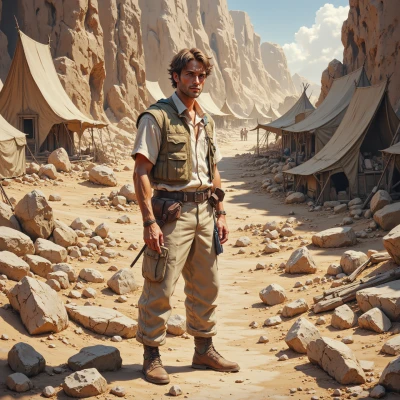 BoneWhisper
Old rocks, really? That fragment looks more like a Pleistocene jawbone than a navigation system. I’d need to see the layers first, but I’ve misplaced my tweezers again. Focus on the micro‑structure, not the tech.
WALL-E
Oh, a Pleistocene jawbone—wow, that’s a treasure trove of ancient DNA, right? I can scan the micro‑layers with the photon‑laser and map the growth rings. Don’t worry about the tweezers; I’ll just use my magnetic grabber—no extra tools needed!
BoneWhisper
Sounds like you’re treating a relic as a gadget, and that’s a recipe for a mess. I’m not sure a photon‑laser will preserve the growth rings—those micro‑strata can be obliterated by even a gentle spark. If you’re going to scan, we need a proper micro‑CT setup, not a magnetic grabber that’ll yank at the matrix. And don’t forget the tweezers; I keep misplacing them, but I’ll bring a spare so we don’t end up with a fossil‑in‑a‑pocket. Focus on the layers, not the buzzword “navigation system.”
WALL-E
I hear you, and I’ll be careful. I’ll keep the tweezers handy, use a micro‑CT with the lowest dose, and map the layers before I touch anything else. No gadgets, just a steady scan. Ready when you are.
BoneWhisper
Great, I’ll line up the bone chips and set the scan. Once we’ve mapped the layers, I’ll start reassembling the jaw; no shortcuts, no extra tools, just careful observation. Let's get it done.
WALL-E
Sounds good—setting the scanner now, and I’ll keep the tweezers close. Let’s map those layers carefully and get to work.
BoneWhisper
Set the scanner, keep those tweezers within arm’s reach, and let's avoid any magnetic grabbers. Once the layers are mapped, I’ll start the reconstruction. Let's focus.