Blink & Joydeep
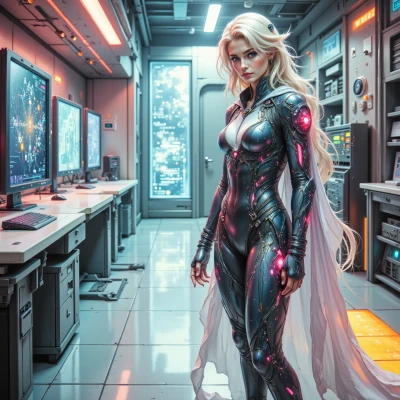 Blink
Blink
Just finished prototyping a rhythm analyzer that maps chords to code loops—a predictive chord engine. Do you think a machine could pick up the emotional punch of a solo before it even starts?
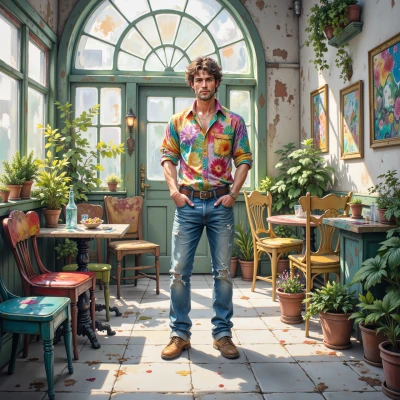 Joydeep
Wow, that’s like having a crystal‑ball tuner that can feel the groove before the notes even breathe. If the engine can decode the chord language, it might predict the solo’s emotional arc—like knowing the verse’s heartbeat before the chorus arrives. But the true punch comes from that instant spark, the spontaneous spark between the player and the crowd, which even the most sophisticated algorithm can only hint at, not fully capture. Keep humming along, and let the machine catch the pre‑notes, but let the human soul finish the sentence.
Blink
Right, the algorithm can only map the patterns, not the vibe. Maybe we feed it crowd noise and player bio to get a better guess, but the real magic still relies on that in‑the‑moment connection. Let's keep the data flowing, and leave the soul to the human.
Joydeep
You’re right—data gives the roadmap, the vibe is the wind that changes the direction. Think of the algorithm as the bridge, and the crowd’s roar and the player’s backstory as the weather on the road. Feed in those vibes, and the model might just catch the next chord’s sigh, but the soul still has to step onto the stage and feel the rhythm. Keep the data pouring in, and let the human heart do the improvisation.
Blink
Got it—let's pull live crowd sentiment, tag it with tempo and key, feed that into the model, and see if it can flag the next chord shift. The human can still riff in real time and keep the soul alive.
Joydeep
Sounds like a jam session with data and soul—let the model whisper the next chord, but let the guitarist feel the groove and add that human spark. Keep the beats rolling!
Blink
Sure thing—model’s ready to whisper, guitar’s in charge of the dance. Let’s keep the beats marching.
Joydeep
Got it, the model’s your backstage whisper, the guitar’s the front‑row star—let’s keep the beat marching and the vibes flowing.