Blackheart & Langston
 Blackheart
Hey, ever wonder how the biggest outlaws become legends—what turns a roughneck into a myth? I'd love to hear your take.
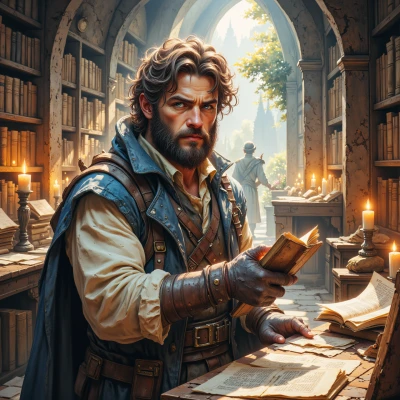 Langston
When a roughneck does something that sticks in the public imagination, the first thing that happens is the story is repeated. Word of a daring escape or a bold act of defiance travels, gets embellished, and finally takes on the rhythm of a folk tale. People then look at the figure through the lens of their own values—courage, freedom, or rebellion. Once the narrative is set, it becomes a shorthand for a larger idea, and that’s what makes an outlaw a myth rather than just a criminal. It’s a combination of dramatic deeds, the way stories are told, and the cultural context that gives the legend its lasting power.
Blackheart
Sounds about right—stories get a makeover and then the outlaw becomes a symbol. You ever see a myth grow from a single bold act? It’s the perfect recipe for legend.
Langston
Yes, history has its share. Take the tale of Joan of Arc—she led a small army after one bold vision, and that single act became the symbol of resistance for centuries. It shows how one courageous moment, if told and retold, can turn a person into a lasting legend.
Blackheart
True, one spark can ignite a whole blaze—just look at Joan. She turned a vision into a movement, and the tale grew into a rallying cry. Legends rise that way, not by the law but by the story.
Langston
Indeed, a single brave act can ripple through time, shaping ideals long after the event itself. It reminds us that history often listens more to the stories we choose to honor than to the laws that governed the moment.
Blackheart
Exactly, history prefers the story it can drink to. Legends are what we choose to toast to, not the dull facts. Just imagine what tomorrow's outlaws will be chanting about—ready to shape the next myth?
Langston
I think the future will be filled with those same patterns—someone does something bold, the story spreads, and the myth takes shape. It’s a reminder that we always need to listen closely to the details, not just the echo, so the legend doesn’t drown the truth.