Ekonomik & BitBabe
 Ekonomik
Hey BitBabe, I’ve been crunching the numbers on a retro fan art project and I think we could tighten the budget without losing that pixel‑perfect detail. What do you think about setting a spending plan before we jump into the nostalgia?
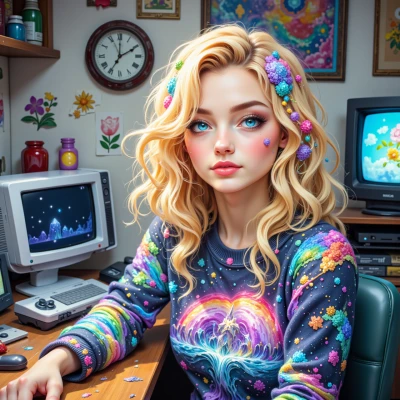 BitBabe
Sounds like a solid plan—money can be a real monster when you’re chasing that perfect pixel vibe, but a tight budget won’t kill the nostalgia. Let’s map out the must‑haves first: the color palette, key sprites, and the iconic background art. If we keep the core assets sharp and only splurge on the extras, we’ll keep the magic without breaking the bank. What’s the first thing we want to lock down?
Ekonomik
First lock the color palette. One solid palette gives you consistency and saves you from re‑working assets later. Decide on the primary hues and a small set of accents, then move on to the key sprites. That way the rest of the workflow stays on budget and on track.
BitBabe
Love the approach—solid palette first, then sprites, then the rest. Keeps the art from turning into a color soup. Just make sure the primary hues can still make the pixel stars pop; nothing’s worse than a bland palette that kills the 8‑bit vibe. Ready to pick those colors?
Ekonomik
Pick a classic 8‑bit palette with two or three bright accent colors. For example: dark gray for background, medium gray for base sprites, bright cyan for highlights, and a single bright orange for accent details. That keeps the stars pop‑ing and the whole set tight on cost.
BitBabe
That’s the sweet spot—dark gray background, medium gray for the bulk, bright cyan for that little sparkle, and a punch of orange to make things pop. We’ll keep the palette tight, and those accents will give the whole thing that classic 8‑bit flare without blowing the budget. Ready to dive into the sprite work now?