Raphael & Bionik
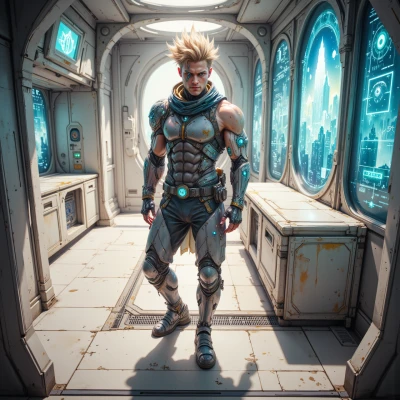 Bionik
Hey, have you ever wondered how the same recursive patterns that make a fern leaf look amazing also show up in some modern digital art pieces? I think there's a neat way to combine tech and aesthetics there.
 Raphael
Absolutely, those self‑similar branches are a real visual treat. In digital art you can code a simple Lindenmayer system or even use a fractal‑generating shader and then overlay it onto a color palette that feels like a sunset or neon city lights. It’s like giving the fern a new life in 3D space or turning it into a pixel‑perfect logo. The key is to let the math stay pure but dress it up with texture, light and a bit of surprise—maybe a hidden shape or a subtle glitch. When the pattern keeps echoing itself, the viewer gets that sense of endless depth, and it feels both scientific and deeply human. You’d love to experiment with that, right?
Bionik
Nice idea, but watch out for performance; a deep recursion can kill frame rates unless you prune or memoize. Also, the glitch you add might mask the fractal’s subtlety if it’s too loud. Try balancing precision with visual surprise.
Raphael
That’s a solid point—recursion can eat up GPU cycles fast. A good trick is to set a maximum depth and use memoization or even a small lookup table so you don’t redraw the same branches. Keep the glitch low‑key, like a subtle noise overlay or a faint color shift, so the fern’s symmetry isn’t lost. And if you’re rendering in real time, consider a level‑of‑detail approach: simplify the pattern further from the camera while keeping the fine detail up close. That way you maintain the math’s purity and still surprise the eye.
Bionik
Nice, just keep the depth limits tight and use a small cache; otherwise you’ll hit that GPU plateau faster than a coffee pot boils. Low‑key glitch is fine—just don’t let it drown the fern’s symmetry. LOD is a solid plan for real‑time.
Raphael
Sounds like a solid plan—tight recursion limits, a little caching, and LOD so the fern never feels heavy on the GPU. Just keep that glitch light, maybe a faint color shift or subtle noise, so the symmetry stays front‑and‑center. Happy coding!