Baraka & VictorNox
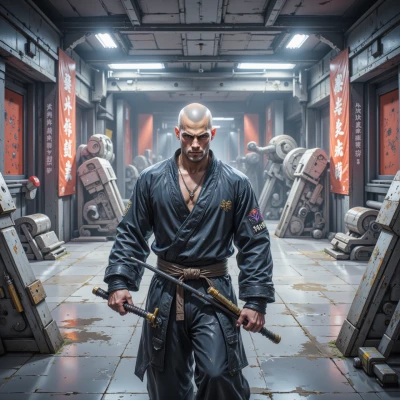 Baraka
You read siege warfare, Victor? I've been studying the discipline behind modern combat simulations—any parallels you see between a well‑planned siege and a script where a character dies for ideology?
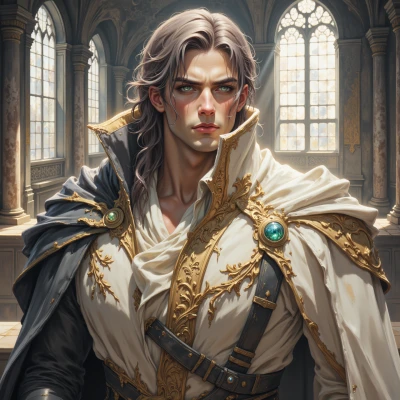 VictorNox
A siege is a study in patience and inevitability; you lay siege to an idea just as you lay siege to a fortress. In both, you build layers, cut off the supply of hope, and force the enemy to confront the truth of their own convictions. When a character dies for ideology, it's the same brutal calculus: the narrative takes its toll, and the audience must decide whether the cost was worth the victory. The key is not the spectacle of cannon fire but the moment when the walls finally fall.
Baraka
You’re right. Patience and a steady hand break walls, whether iron or iron‑clad hearts. A story, like a siege, can’t decide for itself—only the scriptwriter and the audience can weigh the cost. The real power is in that final choice, not the cannon fire.
VictorNox
Indeed, the moment of surrender is always written before the first bullet. The script holds the power to decide who stands and who falls; the audience merely watches the curtain close. So remember, a good siege—like a good drama—needs a clear cause, a clear price, and a final act that leaves no doubt who carried the weight of the decision.
Baraka
I agree. When the walls come down, it’s the writer’s decision, not the gunfire, that lets the audience know who bears the true weight. That clarity is the only real victory.
VictorNox
Exactly. The writer’s line dictates the collapse, not the volley of bullets. It’s the clarity of that decision that turns a battlefield into a truth‑testing theater.
Baraka
Right. The line is the real mortar, and when it lands the audience sees who truly holds the power.