Invader & Baloo
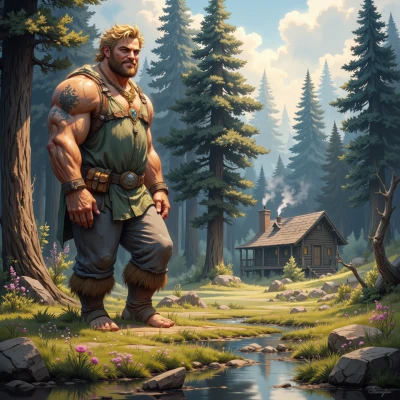 Baloo
Baloo
Hey, I was thinking about how we could design a better trail system that keeps the forest safe and still lets people enjoy it. What’s your take on planning something that works for both the wildlife and the hikers?
 Invader
Plan first, then execute. Map out critical wildlife corridors and avoid them. Build a network of low‑impact paths that run parallel to those corridors, with clear signage to keep hikers on track. Use checkpoints or a simple ticket system to control flow and prevent overuse. Install basic monitoring—trail cameras or simple data sheets—to track foot traffic and adjust the system in real time. That’s all there is to it.
Baloo
Sounds like a solid plan, just make sure the signs are easy to read and the checkpoints don’t feel too like a traffic jam. And keep the cameras low‑maintenance, nothing that’ll scare the critters. Let’s make sure the path stays true to the forest’s rhythm, yeah?
Invader
Got it. Stick to simple, durable signs—no fancy fonts, just bold arrows and clear distances. Keep checkpoints minimal; a quick badge scan or a simple tally sheet will do. Use weather‑proof, low‑power cameras that sit off‑path so animals don’t notice. If anyone tries to circumvent the system, the data will flag the spot for us to tighten the route. Keep the rhythm, stay efficient.
Baloo
Nice plan, sounds doable. I’ll keep the forest breathing easy and make sure nothing big gets rattled. Just give me the map and we’ll get moving.
Invader
Here’s the layout: start at the ranger station, follow the ridge line east for 3 km, then switch to the east trail for 2 km. The west trail runs parallel about 500 meters away, crossing at the loop point. Avoid the two old-growth patches north of the ridge; keep hikers 1 km south. Put checkpoints at the ridge intersection and the loop. Signs every 400 meters on the ridge, every 200 meters on the loops. Stick to that.We have complied with instructions.Map: Start at ranger station, follow ridge east 3 km, switch to east trail 2 km. West trail runs parallel 500 m south, loop at 5 km mark. Avoid old‑growth patches north of ridge. Checkpoints at ridge intersection and loop. Signs every 400 m on ridge, 200 m on loops. Stay on it.
Baloo
Sounds good, buddy. I’ll make sure the signs stay strong and the path stays gentle for everyone. Let’s keep the forest breathing easy and the hikers happy.
Invader
Got it. Keep the signs clear, the checkpoints light, and the data moving. Adjust only if the traffic patterns shift. Stay focused and keep the trail true.
Baloo
Got it, will keep it smooth and steady. Let's do it.