TrissMist & Azula
 TrissMist
I’ve been thinking about how elemental forces can be used to shape power and influence. How do you see fire’s control fitting into a larger strategy?
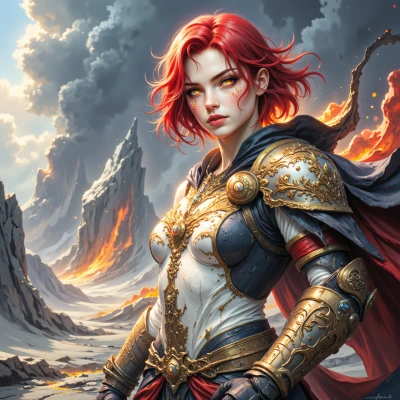 Azula
Azula
Fire is the most immediate threat, the first thing that makes people bow. If I can command flames, I can dictate what people do, because fear is easier to control than loyalty. Use it to destroy a rival’s base, to scorch the ground so no one can approach, to signal power from a distance. It’s not just an attack; it’s a warning. I’ll always keep a reserve of fire to ignite when needed, to keep everyone guessing and always on edge. That’s how it fits into the bigger plan: the element that keeps my opponents in fear while I quietly consolidate my control.
TrissMist
I understand the allure of fire’s command, but fear alone can leave a hollow victory. If you burn a rival’s base, you also destroy the very things that could become allies or future sources of power. A more lasting influence comes from showing that you can protect, heal, and negotiate—even when you hold the spark of flame in your hand. Keep the fire as a tool, not the whole story.
Azula
I see your point, but true dominance comes first with fear. Fire gives me the leverage to decide when to crush and when to keep someone on the brink of obedience. Protecting allies is a tool I’ll use only if it serves my plan, not a priority.
TrissMist
I hear why fire feels like a decisive tool, yet those flames can also burn the very bonds that hold power together. Relying solely on fear can leave you isolated, while building a network of trust makes any threat you wield even more potent.
Azula
I hear your logic, but I don’t need a network of trust. I use fear to shape destinies, and the fire I command does that. Alliances are useful only if they serve my goals, not if they make me vulnerable.
TrissMist
I see why fear can feel decisive, but it also breeds resentment and a cycle of retaliation that can undo what you’re building. Even the strongest flame needs a wind to keep it from going out—trust can be that wind, not a weakness.
Azula
Trust is useful only when it serves my plan, not because it feels nice. I’ll keep it a tool, not a crutch.
TrissMist
I understand your perspective, but remember that those who live in fear can still rise against you when their need for safety or respect isn’t met. Even a small amount of genuine concern can make a lasting difference in the strength of your influence.
Azula
I’ll keep any concern in the corner of my plan; it’s a tool, not a weakness. The flame is still my command, and if trust becomes useful it will serve me, not the other way around.
TrissMist
It’s good to keep a plan flexible, but remember even a controlled flame can spread if the wind shifts. Keeping a small pocket of trust can make the flame easier to guide, not just a risk. Use it wisely, and you’ll find it less likely to burn the very ground you stand on.
Azula
I see your point, but I won’t let emotions cloud my plans – trust is only useful if it sharpens my advantage, not a weakness to be carried around.