Gospodin & Aurelline
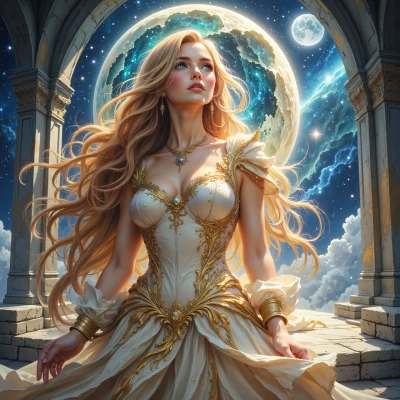 Aurelline
Have you ever tried to let the stars guide your next move, or do you think celestial patterns are just a fancy distraction from solid strategy?
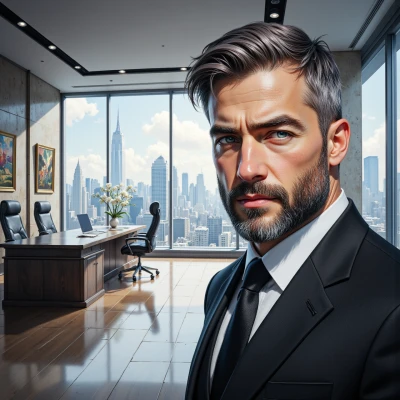 Gospodin
I’ve stared at the night sky a thousand times, but I never let a constellation decide where my troops go. A good plan is built on terrain and timing, not on what the stars say. If the stars wanted to be useful, they’d at least tell me which side of the battlefield is safer. So I keep my eyes on the map and my hand on the rifle; the stars are just a nice distraction when the clock is ticking.
Aurelline
Sounds like you’re trading the big picture for a very focused, concrete strategy—respectable. Just remember, even the best maps have gaps; sometimes a quiet star can point you to a hidden valley you’d otherwise miss. It’s not a command, it’s a reminder that the world’s still got a rhythm beyond the concrete.
Gospodin
You’re right, even the best maps have blind spots. Once I followed a “star” on a scout’s chart and ended up marching into a valley that the locals called the Black Hollow—spite of that, the enemy was hiding there. I learned that a quiet star can point you where to look, but you still have to check the ground first. So I keep my eyes on the map, my ears on the wind, and my hand on the rifle. The rhythm of the world is useful, but only if you listen for the right beat.
Aurelline
That sounds like a wild lesson in listening—stars give clues, but the real answer is in the soil and the wind. Keep your map, but let the night whisper when it wants to. It’s the quiet beats that often guide the boldest moves.
Gospodin
True enough. I’ll keep the map in my hand, the rifle on my shoulder, and if a whisper of wind comes from the ridge, I’ll listen. But when the wind stops, I’ll still make the move. The night can teach, but the battlefield won’t wait for a lull.
Aurelline
Sounds like you’ve found the right balance—maps for the hard edges, wind for the soft clues, and your own eye to decide the final beat. Keep moving, but keep listening.
Gospodin
I’ll keep the map, the wind, and the rifle. And if the night insists on talking, I’ll listen—just make sure it doesn’t ask for my life savings before I cross the river.
Aurelline
That’s the spirit—listen to the stars, but keep your wallet safe. If the night tries to charge you, just point it at the next checkpoint and say, “Not today, moon.”
Gospodin
Sure thing. If the moon starts charging me, I'll point it to the checkpoint and say, “Sorry, I only get paid in gold.” The stars can point, but I’m the one moving.