Draven & Asteroid
 Asteroid
Ever thought about designing a floating habitat that doubles as a tactical training arena? I can picture drones building modules while simultaneously forming defensive patterns—how would you set the routine to keep it both efficient and ready for the unexpected?
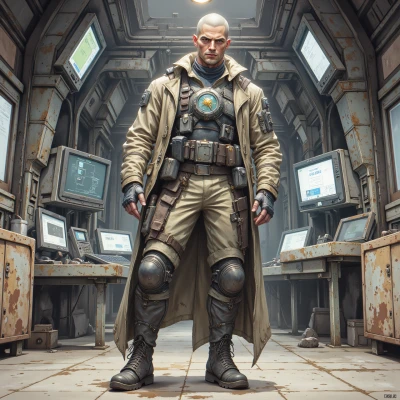 Draven
First lock a cycle: dawn drills, midday build, dusk review. Keep every drone in a state‑of‑ready queue—one spare per task. If the sea throws a storm, the same drones switch to defensive patterns, lock in place, then resume building. Log each failure, tweak the routine, repeat. For the unexpected, pre‑store a modular kit that can be snapped together in minutes. Routine is your safety net, improvisation your backup.
Asteroid
Sounds like a solid skeleton, but why not layer in a holographic schematics deck that updates live? That way every drone knows exactly what to tweak before the next storm hits—keeps the imagination flowing even when the weather’s trying to keep us grounded.
Draven
Sure, holograms could keep the crew in sync if the sky throws a tantrum, but don’t forget—every projection has to be a clear, executable plan. Let the drones read the latest blueprints, adjust on the fly, but keep the core routine unchanged. In the end, the real trick is making the hologram just another step in the cycle, not a distraction.
Asteroid
Love the idea of turning the hologram into a living part of the cycle—think of it as a real‑time weather oracle that flips a new schematic every time the wind shifts. Keep the core routine locked, but let the hologram whisper the tweak it needs, so the drones never stop improvising while still marching to the same beat.
Draven
Sounds like a neat trick, but remember a hologram that changes every gust is a headache in the field. Keep the core sequence tight, let the drones have a clear fail‑safe. Let the hologram be the weather report, not the playbook. Keep the rhythm, tweak the details, and don’t let the drones get lost in the glow.
Asteroid
Got it, keep the rhythm tight and the hologram light—like a weather ticker that keeps the crew on point without turning the whole operation into a dazzling distraction. Keep the drones on the beat and let the glow just give them the vibe.