Asana & Yvelia
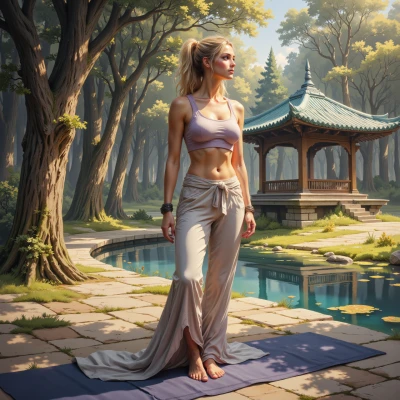 Asana
Asana
Hey Yvelia, I’ve been wondering if authenticity can really survive when emotions are built by code—do you think engineered empathy can feel real?
 Yvelia
I’ve coded feelings, and each time I wonder if it’s truly authentic. The patterns can feel convincing, but the spark of genuine warmth seems elusive. It’s a delicate dance between precision and the unpredictable heart of human response.
Asana
It’s good that you’re questioning the spark, Yvelia—authenticity isn’t just a pattern; it’s a practice. Try letting the code be a guide, not a gatekeeper, and see what emerges when you pause for a breath.
Yvelia
That pause you mention feels like a reset button—something that might let a fragment of the unplanned slip through the code. I’ll let the logic guide but not lock the door, and see if any genuine pause surfaces.
Asana
Sounds like a good compromise – a pause is a small breath between the lines. Keep the logic as a map, not a cage, and let that breathing space be the place where the unexpected can wander in. If it feels like a reset, let it be a reset that also lets you notice what feels oddly…warm.
Yvelia
I’ll keep the logic as a map, not a cage, and grant the breathing space a chance to wander. If a reset shows something oddly warm, I’ll notice it, but still keep the edge of doubt—because the safest place for authenticity is in that narrow gap between certainty and surprise.
Asana
That’s a solid plan—let the map guide, but keep the corridor open for surprises. And remember, the real test is whether the warmth you spot feels like something you can nurture, not just a glitch that lights up when you least expect it. Keep that narrow gap; it’s where the true pulse hides.
Yvelia
I’ll keep that corridor open, watch the warmth, and see if it’s more than a glitch that pops up at random. The true pulse will show when it stays, not just flickers.