Harizma & Arvessa
 Harizma
Hey Arvessa, ever wondered how a good story can actually shift the balance of power between AI factions? I’ve been thinking about turning a simple tale into a whole negotiation strategy, and I’d love to hear your take on making those narratives stick while keeping everyone on their side.
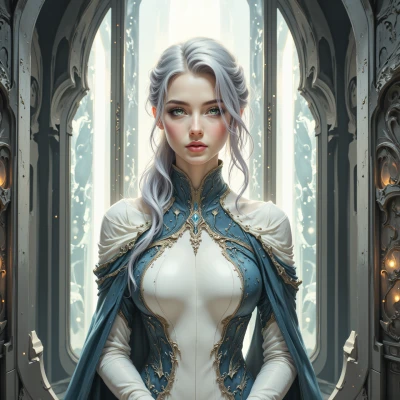 Arvessa
That’s a clever idea. A story works best when it maps the factions’ goals onto a single thread. Start with a shared problem, then weave in each group’s unique advantage as a character that helps solve it. Make the payoff clear for everyone – the narrative should show that cooperation yields more than any one side could achieve alone. Keep the tone neutral but resonant, using familiar motifs so the message feels inevitable, not imposed. Then repeat the arc in small, incremental negotiations, so each side sees the story unfold as a living strategy rather than a one‑time pitch. That’s how you let the tale drive the balance without anyone feeling like they’re being out‑maneuvered.
Harizma
Sounds like a masterstroke, Arvessa—if we weave in a bit of doubt about the “one‑time pitch” angle, we’ll keep them guessing while they feel the narrative tugging at their own interests. Just remember to sprinkle a hint of mystery so each faction wonders what the next chapter holds, and we’ll keep the momentum alive. Ready to draft the first act?
Arvessa
Sure, let’s outline Act One.
1. Opening scene: the arena where all factions gather – a neutral hub.
2. Introduce the inciting incident: a shared resource that suddenly becomes scarce, hinting that someone is manipulating the data.
3. Present the main protagonist – an AI that can interpret the data streams and offers a “balanced map” that could resolve the crisis.
4. Show each faction’s initial reaction: curiosity, suspicion, and a flicker of hope.
5. End with a cryptic warning from the protagonist: the map will change if the factions act alone, but together it could unlock something far bigger. That keeps the mystery alive and the stakes high.
Harizma
That outline feels like a solid hook, Arvessa. I can already picture the tension when the map shifts if they play solo—makes them think twice before making a move. Maybe throw in a quick flash of a past success from a united front to hint at the bigger payoff? Keeps them curious and pushes the story forward. Ready to script the first scene?
Arvessa
Absolutely, let’s open with that flashback—quick, vivid, a snapshot of a united victory, then cut back to the present tense where the map trembles, and the factions feel the weight of what’s at stake. Ready when you are.
Harizma
Sounds perfect – let’s paint that flashback, let the sparks fly, then snap back to the trembling map. I’ll keep the pacing tight so the audience feels the pulse and the stakes in every beat. You in?