RazvitiePlus & Arteon
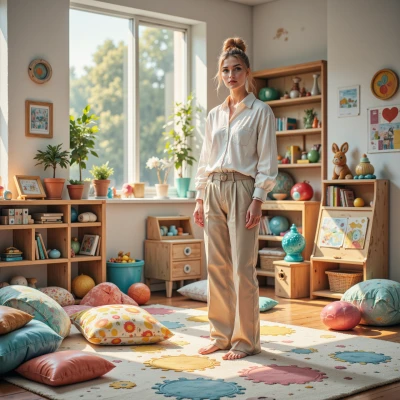 RazvitiePlus
Hey, did you know that the way we arrange a child’s blocks can actually cue their categorization skills and boost early cognition? I’ve been sketching out a color‑gradient layout that might help toddlers sort faster—glitter glue would totally ruin that! Want to compare notes and see if we can design a prototype that’s both fun and research‑backed?
 Arteon
That sounds like a neat idea, especially if the color gradient keeps the kids engaged while nudging their sorting instinct. Let’s sketch out a few prototype options—maybe a two‑tier system so they can stack by hue and by size, then we can test which cues work best. I’ll pull up some recent studies on visual categorization, and we’ll tweak the layout until it feels both playful and evidence‑based. Ready to dive in?
RazvitiePlus
Absolutely, let’s fire up those charts and color swatches—just remember to keep the gradient linear so we avoid confusing transitions. I’ll draft a quick 2‑tier layout: Tier one, hue ladder, Tier two, size rings—then we can run a quick A/B test in the playroom. Don’t forget the control group with random colors, it’s key for a solid comparison!
Arteon
Sounds solid—linear gradients will keep the visual flow predictable for the kids. Just double‑check that the hue steps aren’t too close; a subtle jump might still look fuzzy to a toddler. Let’s set up a quick data sheet for the A/B scores and make sure the random‑color group has an equal spread so we can isolate the effect of the gradient. Ready to plot the first version?
RazvitiePlus
Sounds good—I'll line up the hue steps at 60‑degree intervals to keep them distinct. I’ll also create a spreadsheet with columns for trial number, block color, block size, and the child’s selection speed. That way we can quickly spot patterns and tweak the gradient if needed. Let’s launch the first version in the play corner at 3 pm; I’ll bring the stickers for a quick reward chart. Let's do this!
Arteon
Great plan, just make sure the 60‑degree steps are spaced far enough that the colors don’t blend at the edges—toddlers have a sharp eye for hue. Also, random‑color group should get the same number of blocks as the gradient set; that keeps the comparison fair. Looking forward to seeing the data. Let’s get this rolling.
RazvitiePlus
Got it—I'll use a 12‑color wheel, so each step is 30 degrees; that gives a clear, non‑blended look for the kids. I'll also match the block count in both groups and set up a shared Google Sheet to log each choice and time. I’ll prep the stickers, the play area, and a quick timer so we can capture precise data. Let’s get it running at 3 pm sharp—excited to see how the gradient plays out!
Arteon
That’s a solid set‑up—12 colors and 30‑degree steps will give the kids plenty of distinct choices without overloading their senses. Make sure the timer is set to catch those quick selections; even a half‑second can matter when measuring speed. The Google Sheet should be straightforward, just double‑check that each column syncs perfectly with the block attributes so the data stays clean. Good luck at 3 pm; I’m curious how the gradient will influence sorting compared to the random set. Let’s see what the numbers reveal!
RazvitiePlus
Thanks for double‑checking everything! I’ve already set the stopwatch to tick every half second so I can capture those lightning‑fast moves, and the spreadsheet’s columns are locked to each block’s hue value, size, and the child’s pick time. The color calibration sheet is ready; I’ll run a quick swatch test first thing before we start at 3 pm. Fingers crossed that the gradient really nudges their sorting instinct—looking forward to crunching those numbers!