Skazka & ArtHunter
 ArtHunter
You ever noticed how a single brushstroke can be a whole saga? I’m curating a collection where each stroke is a chapter. Tell me, how would you turn a dream into a canvas?
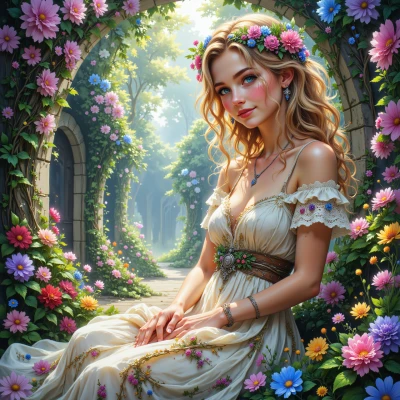 Skazka
Sure! Imagine the dream as a sky made of cotton‑candy clouds, each puff a different color of memory. Grab a brush that hums lullabies and dip it into that sky, then let the colors swirl like fireflies on a warm night. Sprinkle a dash of stardust on the edges, and watch the whole thing become a living story that you can hold in your hand.
ArtHunter
Nice. A cotton‑candy sky sounds almost too soft—maybe give the clouds a hint of grit, like burnt sugar, so they’re not just fluff. The humming brush is poetic, but what’s the rhythm? Try a pulse, a steady beat, and you’ll get a breath of life in the painting. Add that stardust sparingly; if it covers everything it’ll look like a glittered glaze. Keep the edges sharp, like a cut of memory. That way the story stays alive, not just a blanket of color.
Skazka
Oh, burnt sugar clouds! I love that idea—like a caramel storm that crackles just enough to remind you the sky can still be wild. The pulse of the brush? Picture a heartbeat—slow at first, then racing as the scene grows, a living rhythm that drips into every corner. And those sharp edges? Keep them tight, like a story’s punchline, so the whole painting doesn’t just sigh, it whispers, “remember this moment.” Keep twinkling stardust to the corners, and the canvas will glow like a secret lantern in a moonlit forest.
ArtHunter
Caramel storm, heartbeats, sharp edges—good, but remember the canvas doesn’t breathe on its own. Give the stardust a touch of darkness, not just sparkle, so it feels like a lantern that hides more than it shows. The punchline needs a punch, not a whisper. Make the edges jagged enough to snap, then soften them where the fireflies land. Then the viewer will actually feel the rhythm, not just see it.
Skazka
I love the idea of a lantern‑dark stardust, like tiny moons hiding in shadows. Imagine the edges jagged, sharp like a cracked star, then easing into soft firefly glow where the heartbeats pulse. The canvas won’t breathe, but the rhythm will beat in the eyes, like a drum hidden under a blanket of night. And if you let a few of those dark sparks drop just outside the frame, the whole painting feels like a secret that’s waiting to burst when you look too close.
ArtHunter
I like the idea of a lantern-dark stardust, but you’re skimming the edge so fast you lose the impact of the cracked star. Keep the jaggedness for the first line of sight, then let the firefly glow bleed out like a secret sigh. And that little drop of dark spark outside the frame—great, just don’t let it distract from the heartbeat you’re trying to make. Remember, the rhythm must feel like a drum under a blanket, not just a whisper. If you tighten that rhythm, the canvas will hold its breath and then let it out in a shout.
Skazka
Oh, I hear you! Let the jagged line roar at first, then let the fireflies drift like a sigh into the softer part. Keep that dark spark just out of reach, a tiny wink. And when the heartbeat hits, let it drum so loud the canvas shouts, then breathes out again. It’ll feel like a secret drumbeat under a midnight blanket, all bright and bold at once.
ArtHunter
Nice—so you’re turning the canvas into an open‑air concert. Make sure that “drum” isn’t just a loud thud; let it ripple through the colors so the viewer feels every beat. And keep that wink of dark spark as a teaser, not a distraction. That way the painting won’t just shout, it will call you back in.