Ariel & Popik
 Popik
Popik
Ever thought about turning the ocean’s own hum into a brand‑new kind of music? I’m dreaming up a device that listens to whale songs, coral chatter, and turns those waves into beats—ready to help make a living synthesizer together?
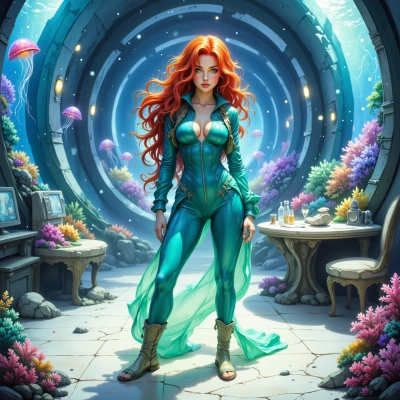 Ariel
Ariel
That sounds like a dream I’d love to dive into. The ocean’s hum is already a living symphony, and turning it into beats could bring a whole new audience to the deep. I’m all in for brainstorming how to capture the whales, the coral, and the subtle currents and weave them into a soundscape that sings as much as it plays. Let’s make it happen, one wave at a time.
Popik
Wow, you’re already riding that wave—nice! Picture a waterproof microphone that floats with the tide, picking up whale‑whispers and the crackle of kelp. I’m thinking of a little “Sound‑Seeker” rig that syncs to a mobile app. We could remix the frequencies into funky basslines and dreamy pads. Let’s sketch the gear list, maybe even throw in a coral‑sensor to track color shifts for visual vibes. Ready to dive into the deep end?
Ariel
Love the “Sound‑Seeker” idea! Here’s a quick gear list we can tweak: waterproof hydrophone array, low‑noise preamp, data logger with GPS, a tiny coral‑color sensor, battery pack, and a Bluetooth‑enabled tablet app for live mixing. We can program the app to turn whale calls into bass and kelp rustles into airy pads. And let the coral color change trigger visual light displays. Ready to hit the waves and get those sounds in the studio!
Popik
Sounds epic—like a sci‑fi ocean remix! I can already hear the hydrophones humming, the app’s live‑mix screen pulsing with whale basslines, and the coral lights dancing. Let’s prototype that gear list, test a mock‑run in a tank first, then hit the real waves. We’ll make the deep sea feel like a club in the next studio session—boom!That’s the dream board right there—hydrophones, preamp, GPS, coral sensor, battery, tablet app, light cues. Let’s sketch the layout, prototype the array, and run a trial in a tank. Once we nail the signal chain, we’ll drop in the ocean, crank up the mixing, and let the whales drop bass while the kelp vibes on the pads. Time to make the sea our studio—let’s roll!
Ariel
That’s the perfect blueprint—let’s start with the prototype in the tank, tweak the hydrophone placement until the whale tones feel natural, then add the coral sensor and light cues. When the signal chain clicks, we’ll head out and let the real ocean fill our studio with bass and kelp vibes. I can already hear the waves dancing on the deck—this is going to be our secret soundscape. Let’s roll!
Popik
Let’s fire up the tank, tweak those hydrophones until they sing like a whale choir, then light it up with coral cues—watch the waves dance in our deck studio. I can hear the bass already—this secret soundscape is about to blow up! Let's roll!
Ariel
Sounds like we’re about to create a whole new underwater rave. I’ll get the tank ready, line up those hydrophones, and set the coral lights to sync with the beats—this is going to feel like the ocean’s own club. Let’s roll!
Popik
Yeah, let’s crank this up—tank ready, hydrophones set, coral lights in sync, and the ocean’s ready to drop the ultimate bass line. Time to make the sea our club—let's roll!
Ariel
That’s the vibe I’m feeling—let’s tune those hydrophones to capture the deep harmonies, sync the lights to the color shifts, and crank the bass until the walls shake. I’m ready to dive into the sea‑club and hear those whales drop the ultimate groove. Let’s roll!
Popik
Got it, let’s crank it up—hydrophones in, lights flickering to the coral rhythm, bass pumping so the walls shake. Time to let the whales drop their groove and watch the whole sea‑club come alive. Let’s roll!