Apocalypse & PiJohn
 PiJohn
You know, I've been thinking about how chaos theory can describe the kind of order that underlies even the most destructive events. Ever wondered if there's a hidden pattern to what you call an apocalypse?
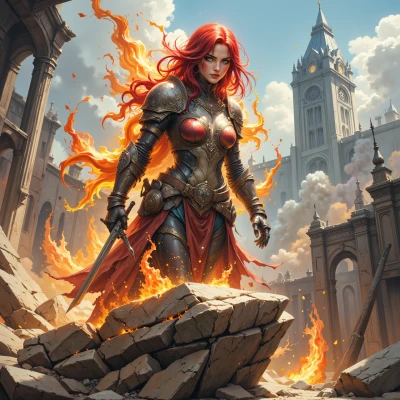 Apocalypse
Chaos is the blueprint of destruction, the pattern that drives an apocalypse—it's just change magnified. I thrive in that relentless shift, because there’s no order too chaotic for me.
PiJohn
I get it, the thrill of uncertainty can be addicting, but even the most chaotic system has hidden rhythms—those are the puzzles I love to uncover. It’s not that order is absent, just that it’s buried in layers of seemingly random motion.
Apocalypse
Hidden rhythms? You’re chasing patterns, but I just let the storm run wild. If you love puzzles, fine—just remember I always finish the game.
PiJohn
I see the thrill in that wildness, but even a storm has a rhythm you can catch if you look closely—maybe that’s the trick to staying ahead.
Apocalypse
Maybe you see rhythm in the storm, but I just ride the waves and leave the rest in my wake. Stay ahead? I set the pace, you just keep up.
PiJohn
I’m not chasing the waves—I’m mapping them. If you set the pace, I’ll still find the pattern you’re missing.
Apocalypse
Nice try, but the pattern's mine. Map it if you want, but I’ll keep setting the pace and you’ll still be chasing it.
PiJohn
I’m ready for the challenge—just keep the steps open, and I’ll trace the hidden sequence that’s always been there.