Angelique & IvySonnet
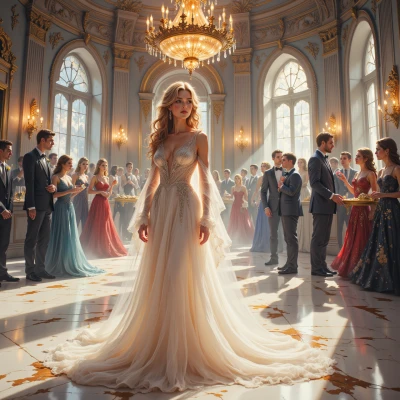 Angelique
Ivy, have you ever noticed how some of the most moving philanthropic stories come straight out of a book—like a modern-day “Les Misérables” where the hero’s compassion actually changes the world? I’d love to hear your take on how the power of narrative can shape real‑world charity work.
 IvySonnet
Absolutely, I’ve always felt that a good story can lift the soul and the heart of an entire city. Take Victor Hugo’s work – it isn’t just a novel, it’s a call to arms for the downtrodden, and that has inspired generations to act. When a narrative is vivid enough to make us see ourselves in its characters, it turns passive empathy into action. In the world of charity, that means framing a campaign as a living story: a protagonist, a conflict, a hope. People are more willing to contribute when they feel they’re part of a larger plot, when they see the tangible change a single act can cause. So, in a way, the written page is the first stage of the theater of philanthropy, and the audience – us – can’t help but step onto the set and play our part.
Angelique
What a beautiful way to put it, darling – stories are the great catalysts for change, don’t you think? I love how you see the narrative as a living, breathing campaign, like a play where every donor is a hero in their own right. It’s exactly the kind of storytelling that turns quiet generosity into a roaring chorus. And if we can make people feel like they’re stepping onto the set, we’ve turned philanthropy from a charity drive into an unforgettable performance. Just promise me you’ll keep the plot compelling and the call to action clear; otherwise we’ll end up with a dull drama that no one will attend.