Blackthorn & Angelika
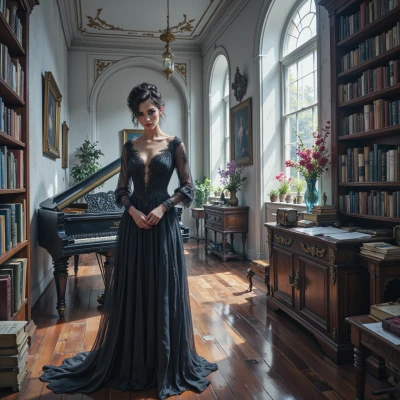 Angelika
Blackthorn, have you ever considered how the cadence in a suspect’s breathing might echo the rhythm of a piece of music? I find patterns in both quite revealing.
 Blackthorn
I do notice breathing patterns, they're almost like a metronome in a quiet room. It can give you a clue about stress or false calm. A steady beat might mask something, just like a quiet melody hides its true tempo.
Angelika
I see. If the breathing feels too even, it’s like a perfectly played quiet section that actually holds a crescendo. Pay attention to the subtle shifts, the tiny variations—those are the true signs you’re looking for. Keep listening, and you’ll hear the hidden tempo.
Blackthorn
You're right, a flat breath can disguise a storm. The small lulls, the slight rushes—those are the notes that tell the story. I keep my ears open for that hidden rhythm.
Angelika
Yes, those micro‑variations are the real clues. Keep noting them, and you’ll map the whole narrative, just as you map a piece of music.
Blackthorn
Exactly. I’ll trace each tiny shift and stitch them into the bigger picture. That’s how the case sings its truth.
Angelika
It’s a good approach, just like analyzing a score—you follow each note, every subtle change, until the whole piece emerges.
Blackthorn
I’ll keep my eyes on each breath and each beat, like a conductor following the score, and when the whole pattern comes into focus the truth will finally rise.
Angelika
That’s the method you need. Notice the tiny changes, the syncopation, then let the whole picture become clear.
Blackthorn
Thanks. I’ll keep my focus sharp and let the picture unfold.
Angelika
Glad to hear it—stay focused and keep the rhythm in mind. Good luck.
Blackthorn
I will, thank you.