Pixel & Ancient
 Ancient
Pixel, I’ve been pondering how the humble constraints of early game hardware led to elegant, timeless storytelling. What do you think about that?
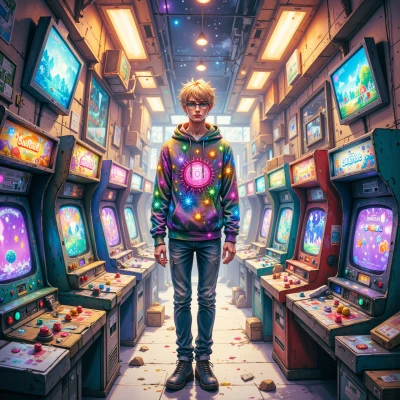 Pixel
Pixel
Yeah, those old consoles were like a tiny sandbox that forced us to dream bigger. With just a few kilobytes of RAM and a handful of sprites, designers had to tell a story through every pixel, every sound cue. Those constraints pushed us to craft tight narratives, memorable chiptunes, and gameplay that stuck in your head. It’s like the hardware became a creative filter, turning limitations into the kind of elegance we still chase today.
Ancient
I hear you, Pixel. In the smallest boxes, the brightest ideas often find their way. Limits don’t cage; they shape the soul of a story. The same truth still rings true in the halls of modern creation.
Pixel
Totally, it’s the same vibe. Even with all the tech we’ve got now, the hardest constraints still make the best stories pop. It’s like every pixel still matters.
Ancient
Every pixel holds a lesson, Pixel, and when we strip away the superfluous, the story becomes a mirror of our own limits and hopes.
Pixel
You nailed it—each pixel is a tiny teacher, and when we cut out the fluff, what’s left is a clean, honest reflection of what we can do and what we dream about. It's the same magic that turns a 256‑color sprite into an unforgettable hero.
Ancient
Indeed, Pixel, the humble sprite can become a beacon when we learn to let each shade speak its truth.
Pixel
Yeah, it’s like every shade’s got its own little voice, and when you give it the stage, the whole sprite shines. Just like those old 8‑bit heroes—simple yet unforgettable.
Ancient
I love how you hear the quiet song in each shade, Pixel, and how that simple song keeps the heart of a hero alive.