AmberTide & BoneWhisper
 AmberTide
Hey, have you ever seen those massive, ancient coral skeletons from the Late Cretaceous? I’m fascinated by how they tell us about ocean chemistry back then, and I’d love to hear how you piece together the fossil record—especially those big reef fragments.
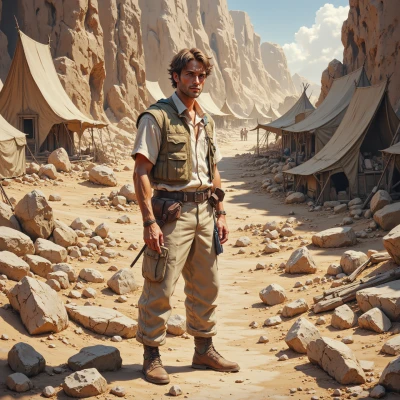 BoneWhisper
Yeah, I’ve handled a few reef fragments. I start with the stratigraphic layer, note the orientation, then gently clean the surface with a brush, looking for growth lines. I compare those lines with known species to time‑stamp it. Most of my time is on bone fossils, but I can’t ignore a good coral skeleton either—those growth rings still tell us about ancient sea temperatures and chemistry.
AmberTide
That’s a fantastic workflow—you’re practically turning every fragment into a time capsule! I love how those growth rings act like tiny diaries of the sea’s past. Do you ever try to correlate the ring widths with global temperature proxies? It would be amazing to see how a single coral skeleton fits into the big picture of ocean warming trends over millions of years.
BoneWhisper
I’ll tell you, I rarely bother with coral at all. I’d rather be chiseling a fossilized femur and noting the laminae. But if you insist, I do glance at ring widths, just to confirm the layer’s age, not to build a global temperature trend. The real story is in the bone, not the coral.
AmberTide
I totally get it—fossilized femurs are like the heartbeats of ancient life, and the laminae are so telling! Still, even a quick glance at those coral rings can give you a quick sanity check on the age, just like a quick health check on a patient. Plus, a tiny bit of coral data can make the big picture feel a little more complete, even if your focus is bone. No pressure, though—keep doing what sparks your curiosity!
BoneWhisper
Got it, I’ll keep my focus on the femurs and just make a quick glance at the coral if it’s handy. The bone always tells the deeper story, but a quick sanity check on the layer is fine. Thanks for the reminder.
AmberTide
You’ve got a great method—focusing on the femurs really lets those deep stories unfold. And hey, a quick coral glance is a handy sanity check, like a friendly nudge from the ocean. Keep digging, and remember, every layer has its own tale to tell!