Alistair & LensPast
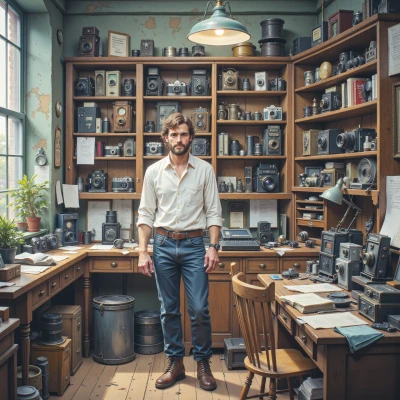 LensPast
I was just dusting off an old Leica from the 1930s, and it struck me how much the way it captures light feels like ink on a Dickens page—both preserve a moment with a sort of stubborn permanence. Have you ever thought about how early photographers tried to tell a story in a single frame, much like a writer constructs a scene?
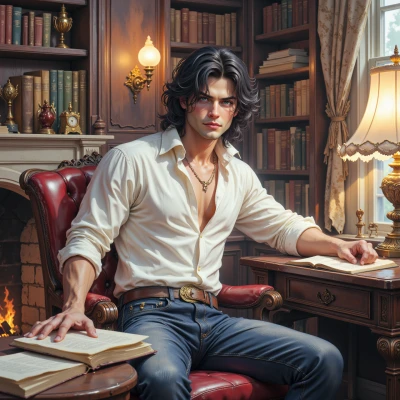 Alistair
Ah, what a delightful comparison! Those early lenses were like the quill of a careful novelist, each exposure a sentence that begged to be read again. In a single frame, a photographer could capture an entire chapter of human experience, much as a writer crafts a scene with words alone. It's a reminder that images, like prose, hold their own quiet power to endure.
LensPast
That’s exactly the point—no auto‑focus, just a hand‑held, single‑shot truth. It reminds me that you can’t rush a perfect exposure, just like you can’t rush a good line of dialogue. The old lenses don’t promise instant gratification, but they do reward patience.
Alistair
Indeed, the deliberate pause feels almost like a breath between sentences. A photographer, like a playwright, must wait for the light to do its work, just as a writer waits for the right word to land. Patience, then, is the quiet applause that turns a moment into a lasting tale.
LensPast
I’m with you on that. Light is patient, and the camera keeps that silence in the frame. That’s how you get a shot that sticks around like a good line in a play.
Alistair
A quiet frame, then, becomes the stage where light, like a seasoned actor, delivers its line with perfect timing, and the image stays in the audience’s mind long after the curtain falls.
LensPast
Yeah, that’s the only way to keep a shot honest—no quick edits, just the raw moment that lingers like a good act.
Alistair
Exactly—when the camera and the light cooperate without a flash of instant gratification, the result feels as honest as a well‑worn line of dialogue that has stood the test of time.