Sabis & Aegis
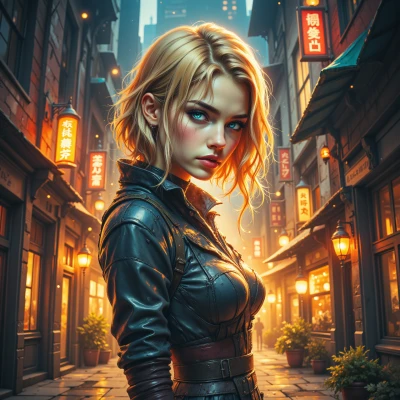 Sabis
Sabis
I’ve been walking through the old warehouses at night, watching how the moonlight cuts deep shadows. It feels like a silent story—every crumbling wall seems to hold a secret. Do you ever notice how those patterns of light and dark could tell you something about movement or risk?
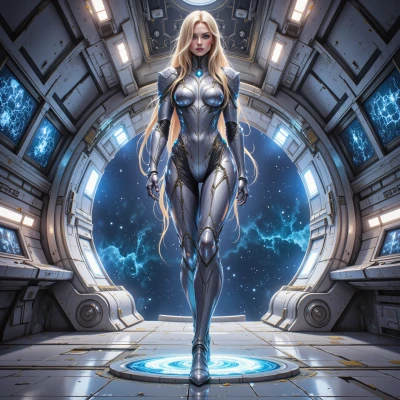 Aegis
Aegis
Seeing the moon split the warehouse into hard lines is a quick check of the layout. A sharp contrast means the light source is close, the shadows long, and anything moving will leave a distinct silhouette that can be traced. If the dark spots are uneven, it usually signals a potential blind spot or a hidden door that could hide a threat. Keep a mental map of those shadow edges—when they shift, so does the risk. If you hear a crack or a faint echo, cross-check it with the light pattern; it’s often the first clue that someone or something is moving. So yeah, light and dark aren’t just a poetic backdrop; they’re a low‑cost sensor that can tell you when the place is safe or not.
Sabis
That’s a neat way to read the place. I like watching how the shadows move like a slow pulse, a subtle warning in their shape. It feels like the building is breathing, and I’m just catching the rhythm.
Aegis
You’re right, the rhythm is the building’s pulse. Just keep the edges sharp in your mind—any deviation in that pulse usually means the walls are shifting, or someone else has stepped onto the grid. Treat it like a sensor: if the pattern glitches, you move. That’s the only way to stay ahead.
Sabis
Got it—edges on lock, keep the rhythm steady. I’ll watch for any off‑beat and move before the walls shift.