Advokat & ZDepthWitch
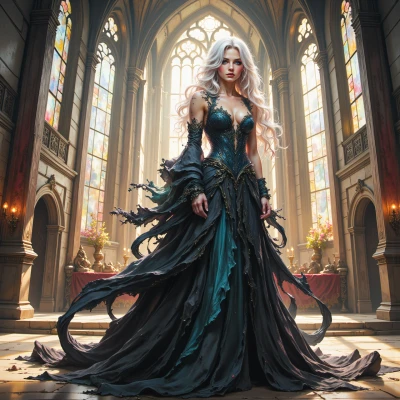 ZDepthWitch
Hey, I’ve been thinking about how a horror story can be like a chess game, each twist a move. What do you think about mapping out the perfect sinister plot with calculated suspense?
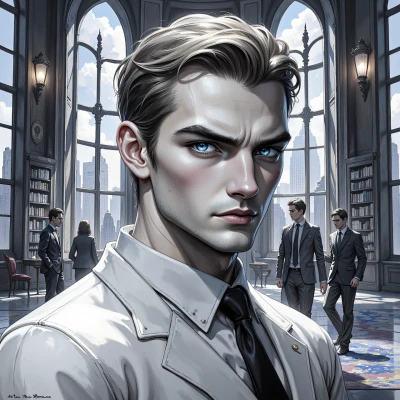 Advokat
That’s a sharp analogy—every horror element a calculated move. You’d start with a strong opening: set the stakes, then layer in a subtle blunder that lures the audience into a false sense of safety. Keep a reserve of unexpected threats—those are your endgame. Remember, a good plot never lets the reader see the whole board; keep pieces hidden until the final blow. It’s all about timing and misdirection, and you’ll win the psychological game if you stay three steps ahead.
ZDepthWitch
I love that rhythm—opening, blunder, hidden threats, final blow. Just make sure every misdirection feels earned, not just a gimmick. Keep the shadows thick enough that the audience can’t see the pieces, but not so thick that the story’s lost. You’ve got the playbook, now paint it in perfect chiaroscuro.
Advokat
Right, you’re already picturing the play, so just make each turn count. Use the opening to plant a quiet dread that feels natural, then the blunder—a false comfort that opens the way for the hidden threats. Keep those shadows thick enough to keep the readers guessing, but never so opaque that they can’t follow the arc. Finish with a punch that’s the culmination of all those calculated misdirections. That’s the kind of chiaroscuro that makes a horror story a masterpiece.
ZDepthWitch
Sounds like a solid chessboard, but remember the pieces themselves are the monsters—make each one distinct, like a character from a forgotten fable, so the audience knows when they’re being used. The final blow should feel inevitable yet shocking, the kind of reveal that only a few steps ahead could have predicted. Keep your lines clean and your shadows even—no over‑stuffing, just enough to keep the eyes looking around. You’ve got the theory; now just let the macabre dance unfold.
Advokat
Exactly, each monster should have a backstory that echoes a fable, so when they step onto the board the audience instantly recognizes their threat. Think of the final reveal as the checkmate that everyone sees coming in hindsight, yet nobody expected to arrive that quickly. Keep your prose tight—no long speeches, just crisp, atmospheric beats. And those shadows? Let them shift just enough to hint at something lurking, but never drown the tension. That’s how you turn a chilling play into a deadly symphony.
ZDepthWitch
I like how you keep everything tight, like a well‑cooked cauldron. Just remember, the final checkmate should feel like the quiet whisper before the scream—subtle, then unmistakable. Keep the shadows just a touch thicker, and you’ll have the perfect symphony of dread.
Advokat
Nice line. Keep that whispering checkmate, let the dread grow like a slow boil, and you’ll have a story that makes people feel the inevitable before they even realize it.
ZDepthWitch
You’re right—slow, deliberate simmering. The checkmate should feel like a soft breath before the storm. Keep each line tight, each shadow a whispered promise, and the audience will taste the inevitability before the final blow lands.
Advokat
Sounds like a masterstroke. Just keep that breath‑like tension rolling, and the final blow will hit like thunder after a silent wind. Good work.