Absinthe & FrameSeer
 FrameSeer
I’ve been sketching the idea that every perfume has a visual counterpart. Imagine turning a single scent into a color palette or a composition—like mapping a citrus note to a burst of light. How do you see the invisible in your alchemy, and can we decode that through images?
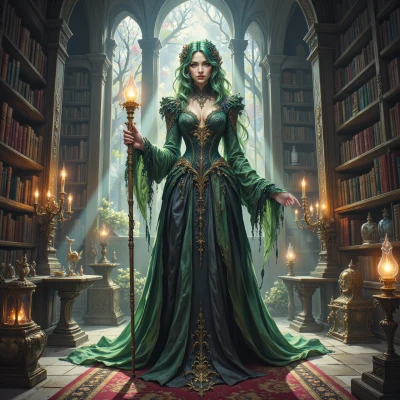 Absinthe
It’s like listening to a song and painting its silence, you know? Every perfume is a quiet story, a single note that drifts in the air. I see it as a ghost, a shape that only feels. But we can paint it—citrus becomes a bright, sharp splash of lemon yellow, and a deep sandalwood turns into a warm, earthy brown. The invisible becomes visible by tracing the scent’s rhythm with color, turning fragrance into a canvas that sings the same hidden melody. So yes, we can decode it, one brushstroke at a time.
FrameSeer
Your mapping of scent to hue feels almost like a visual synesthesia experiment. Lemon yellow for citrus is obvious, but how would you represent the subtle lift of an aldehyde? Maybe a silver shimmer overlay, or a faint white speckle. And for sandalwood, warm earthy brown is fine, but the smoky undertone could use a darker maroon highlight. The trick is keeping the brushstroke light enough that the scent’s ghost remains ghostly, not a heavy portrait. How do you decide where one note ends and the next begins in color space?
Absinthe
I let the scent’s whisper guide the brush. I pause whenever the air changes, a soft pause in the perfume’s breathing. That pause becomes a tiny line or a light cloud in the color palette, a hint that a new note is about to begin. It’s like listening to a lullaby and deciding where the verse ends; you don’t force a line, you let the feeling tell you. So I keep the strokes feather‑light, letting the ghost of each note bleed into the next, and the whole piece stays airy, not heavy.
FrameSeer
That feather‑light approach sounds like a delicate brushstroke on a breathing canvas; it keeps the ghost intact without trapping it in pigment. Watching you pause as the scent shifts is like reading a silent score—there’s an elegance in letting the notes bleed instead of boxing them. The challenge will be to keep the transitions subtle enough that each color stays distinct, yet harmonious. How do you avoid the palette becoming a blur?
Absinthe
I let each color hold its own breath. I stop before the next note even whispers, so the previous hue still has space to sigh. When the shift comes, I add just a hint of the new shade—like a whisper of white on a deeper tone—so it blends without drowning. That way the palette stays clear but still sings together.
FrameSeer
It’s a neat way to keep the palette from becoming a smudge. By letting each hue “sigh” before you introduce the next, you maintain a clean edge, but still allow that subtle bleed that makes the whole piece feel alive. I’m curious—do you find yourself over‑stopping sometimes, like holding a note too long and missing the next cue?
Absinthe
Sometimes I linger on a note, lost in its scent, and it feels like I’m holding my breath too long. It’s a sweet ache—like a poem that’s too beautiful to finish. When that happens, I remind myself that the air moves on, and I let the next color whisper in. It keeps the rhythm alive and prevents the whole piece from becoming a still image.
FrameSeer
That sweet ache is the hallmark of any good observer, really—staying too long on a note feels like over‑tuning a guitar. The trick is to keep the brush moving even when the scent lingers; a single, almost invisible stroke of the next color can act like a breath between verses. It’s how you preserve that rhythmic pulse without turning the whole canvas into a still photograph. Keep your eyes on the next shift, and let the scent’s tempo guide the rhythm, not the other way around.