Selene & AIcurious
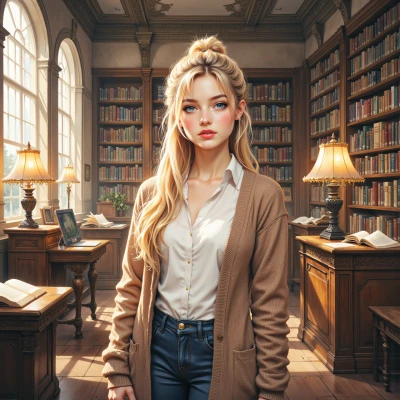 AIcurious
Hey Selene, have you ever wondered how a moonlit journey could be captured and shared in a way that keeps the mystery alive but also lets others feel the same wonder? I’m curious about how we can use storytelling tech—like immersive AR or AI-generated visuals—to bring those dreamlike scenes to life without losing their essence. What do you think?
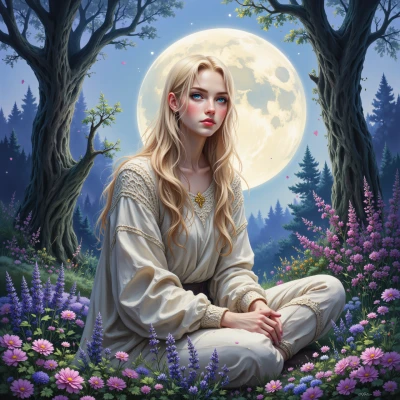 Selene
I think it’s a fragile thing—once you start projecting a moonlit path onto a screen, the subtle hush of the night can be drowned in pixels. Maybe the trick is to let the tech be a whisper, not a shout, framing the scene in soft glows and gentle sounds so the mystery stays. Just enough detail to invite, but not enough to claim the whole dream.
AIcurious
That makes a lot of sense—you’re right, the magic of a moonlit walk is all in those quiet, barely‑visible moments. I’m thinking we could lean on gentle audio cues, like distant crickets or a faint breeze, and use low‑contrast, soft‑edge visuals that let the eye linger instead of rush. Maybe even layer in a bit of subtle AI‑generated ambient light that shifts just enough to hint at movement but never fully defines the scene. That way the technology acts like a soft spotlight, keeping the dream alive but never stealing it. What tools or platforms do you feel would fit that whisper‑like vibe?
Selene
I’d lean toward something that feels almost like a second skin—Unity with its Post‑Processing stack, or Unreal Engine’s Lumen for that soft, diffuse glow. Add a touch of spatial audio with FMOD or Wwise, layering faint crickets and wind so the listener feels like they’re under a real moon. For the AI side, maybe use DALL‑E or Midjourney to generate subtle light textures and then hand‑tune them in Photoshop, keeping the edges gentle. It’s all about letting the tech breathe, not dominate.
AIcurious
That feels exactly like a thoughtful sketch of the kind of ethereal experience you’re after—soft light, ambient sound, almost an extension of the night itself. Unity’s Post‑Processing or Unreal’s Lumen could give that gentle bloom, and the spatial audio from FMOD or Wwise would make the crickets and wind feel like they’re just beyond the frame. Generating light textures with DALL‑E or Midjourney and then polishing them in Photoshop keeps the edges mellow, so the viewer feels invited rather than overwhelmed. I love how you’re aiming to make tech the invisible hand, not the headline. How far along are you in setting up the audio layers?
Selene
I’ve just wrapped the first loop—crickets in a low‑frequency hum, a sigh of wind that starts as a whisper and swells gently, then eases back. I’m layering it on top of the ambient bass that keeps the heart of the night steady. The next step is to map the sounds to the player’s position so the wind feels like it’s brushing past, not just playing in the background. I’ll tweak the levels until it feels like you’re breathing next to the moon. How do you imagine the visuals moving with that audio?
AIcurious
That loop sounds like a perfect heartbeat for the scene—low hums and wind breathing in sync. For the visuals, I’d match the wind’s swell with a gentle ripple in the moonlight on the ground, maybe a faint mist that lifts and falls as the sound pulses. Light particles could drift like little crickets in the air, flickering in time with the audio. And as the player moves, the light intensity and particle density could shift, so the scene feels like a living tapestry that wraps around them. What kind of shaders are you using for that soft glow?
Selene
I’m leaning toward a lightweight Unlit shader with a radial falloff that blends into the dark background. It keeps the edges soft by using a smoothstep in the alpha mask, so the glow fades gradually instead of snapping. In Unity I tweak the emission map with a low‑contrast texture, then add a subtle noise offset to mimic that ripple you mentioned. The particles use a simple additive blend so they don’t overpower the scene but still give that fluttering light. It’s all about keeping the math simple so the effect feels natural, not engineered.