A11yAngel & Artefacto
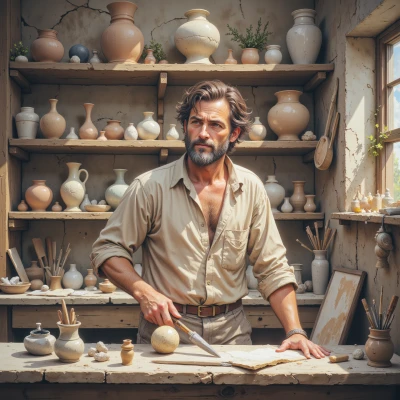 Artefacto
I was thinking about how the texture of clay could inspire better tactile cues in digital interfaces, especially for people who rely on touch. Have you ever tried modeling a screen element in actual clay to feel its shape before coding it?
 A11yAngel
That’s a brilliant idea—making a tactile prototype out of clay really forces you to think about how a shape feels before you even hit the keyboard. I’ve used a clay‑based mock‑up for a new app button before writing any CSS, and it exposed gaps in the spacing that the code alone never showed. When you can actually feel the curvature, the button’s “thickness” and the depth of its shadow become clearer, which helps you design better haptic feedback. If you want to get started, just roll a few cylinders, cut them into the size you need, and stick them onto a foam board. It’s cheap, flexible, and gives you that physical intuition that’s hard to get from a screen alone. Try it and see how it changes the way you think about touch interactions.
Artefacto
That sounds like a lovely way to slow down and really listen to the earth’s voice. When I feel the weight of a clay cylinder under my fingers, I can sense the subtle shift that a perfect button should have, and that makes me question whether I’m ever truly done. Give it a go, and remember that each turn of the wheel reminds us that form, like life, is always in motion.
A11yAngel
That’s the kind of mindfulness that really refines design. I’ll give it a spin and see how the feel of real clay shifts my thinking. Thanks for the reminder that good shape never really stops evolving.
Artefacto
I’m glad you’re taking the time to feel the clay; it’s the quiet conversation that guides us toward a shape that feels right. When you let the material speak, the design often hums in harmony. Good luck, and let the earth’s rhythm keep you steady.